
Lighting can completely transform a home. The right illumination doesn’t just brighten a room—it sets the mood, highlights design features, and even affects your daily energy levels. One key aspect of lighting that is often overlooked is Lighting Color Temperature. Understanding how to choose the proper temperature for each room can take your home design from good to exceptional.
In this guide, we’ll explore the differences between warm light vs cool light, explain various LED tones, and give practical tips for creating perfect mood lighting throughout your home. For a deeper dive into the types of bulbs and how they affect your space, check out our guide on LED vs Halogen Lighting.
What is Lighting Color Temperature?
Lighting Color Temperature refers to the appearance of light provided by a bulb, measured in Kelvin (K). Lower Kelvin numbers produce warmer, yellowish light, while higher numbers produce cooler, bluish light.
- Warm Light (2000K–3000K): Soft, cozy, and inviting. Ideal for living rooms, bedrooms, and spaces where relaxation is key.
- Neutral Light (3500K–4500K): Balanced, neither too warm nor too cool. Great for kitchens, bathrooms, and workspaces.
- Cool Light (5000K–6500K): Crisp and energizing. Often used in offices, garages, and areas requiring high focus.
Understanding these ranges is crucial for creating a cohesive and functional lighting design in your home.

Warm Light vs Cool Light: Which Should You Choose?
Choosing between warm light vs cool light depends on the room’s purpose, décor, and your personal preference.
Warm Light
- Creates a sense of comfort and intimacy.
- Perfect for spaces where you relax, like bedrooms and living rooms.
- Works well with warm-toned interiors such as wood floors, beige walls, or gold accents.
- Enhances skin tones, making people look healthier and more natural.
Cool Light
- Boosts alertness and concentration.
- Ideal for kitchens, bathrooms, home offices, and laundry areas.
- Complements modern, minimalistic interiors with white or grey tones.
- Makes spaces appear brighter and more spacious.
Using the right mix of warm and cool light in different areas ensures your home is both functional and inviting.
Understanding LED Tones
With the rise of LED lighting, homeowners now have more control over their LED tones than ever before.
- Tunable White LEDs: These allow you to adjust the color temperature from warm to cool, offering flexibility throughout the day.
- RGB LEDs: Can change colors entirely, perfect for mood lighting or accent features.
- CRI (Color Rendering Index): A higher CRI (above 80) means the light shows colors more accurately, which is essential for areas like kitchens and bathrooms.
Selecting LEDs with adjustable tones gives you the freedom to tailor lighting for both ambiance and practicality.

Room-by-Room Guide to Color Temperature
Living Room
- Aim for warm light (2700K–3000K) to create a cozy, welcoming environment.
- Layer with mood lighting like floor lamps, wall sconces, or dimmable overhead lights.
- Highlight artwork or décor with accent lights at slightly cooler temperatures to add depth.
Bedroom
- Stick to warm light (2200K–2700K) for a calming atmosphere.
- Avoid overly bright or cool lighting to encourage relaxation and sleep.
- Bedside lamps with adjustable tones allow reading without disrupting the cozy vibe.
Kitchen
- Kitchens benefit from neutral to cool tones (3500K–4000K).
- Use task lighting over counters and islands for cooking, while softer ambient lighting keeps the room inviting.
- LED strips under cabinets can provide crisp illumination exactly where it’s needed.
Bathroom
- Bathrooms need a balance—neutral light (3500K–4000K) works well for daily grooming tasks.
- Mirrors can be enhanced with LED tones that simulate natural daylight.
- Avoid overly warm lighting which can distort skin tones and colors during makeup application.
Home Office
- Cool light (5000K–6500K) promotes focus and productivity.
- Ensure there’s minimal glare on screens and work surfaces.
- Adjustable desk lamps allow personal preference without affecting the room’s overall light balance.
Hallways and Entryways
- Warm light (2700K–3000K) provides a welcoming feel.
- Layered lighting with sconces or pendant lights adds dimension to narrow spaces.

Tips for Perfect Mood Lighting
Creating the right ambiance involves more than picking the right color temperature. Here are some home lighting tips:
- Layered Lighting: Combine ambient, task, and accent lighting to suit different activities.
- Dimmers: Installing dimmer switches allows you to change intensity and mood.
- Accent Lighting: Highlight architectural features, art, or plants with targeted lighting.
- Consistent Color Temperature: Avoid mixing drastically different temperatures in the same space unless intentionally creating contrast.
By thinking strategically, you can make each room feel purpose-driven and harmonious.
Energy Efficiency and Practical Considerations
Modern LEDs offer excellent energy savings and longevity. When choosing Lighting Color Temperature:
- Look for high-quality LEDs with good lumen output for sufficient brightness.
- Consider energy-efficient options to reduce electricity bills and environmental impact.
- Opt for bulbs with long lifespans to minimize replacement frequency.
Remember, investing in quality lighting not only improves your home’s aesthetics but also its functionality and comfort.
Final Thoughts
Choosing the right Lighting Color Temperature transforms how each room feels, looks, and functions. Understanding warm light vs cool light, exploring LED tones, and layering your lighting correctly ensures both practical and stylish results.
From creating cozy bedrooms and inviting living rooms to functional kitchens and productive workspaces, thoughtful lighting choices can elevate your home experience. Use the tips in this guide along with quality LEDs and accessories to craft a home that is both beautiful and functional.
For more insights on bulb types and lighting efficiency, check out our detailed guide on LED vs Halogen Lighting.
Related posts:
 A Guide to Decorating Your Home with LED Lights
 Shedding Light on the Benefits of Hiring a Professional Lighting Designer
 How to Enhance Your Home Decor with the Perfect Lighting
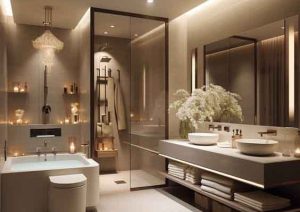 Vanity Lights: Should They Point Up or Down?
 The Right Way to Fix Up a Home for Sale
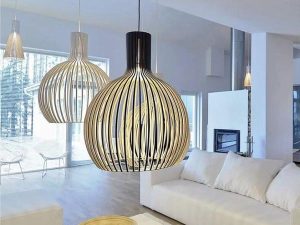 Brighten Up Your Space: Top Room Decor Lights to Create Ambiance
 Decorative Ceiling Lights: A Guide to Illuminating Style
 LED vs. Halogen Lighting: Which is Better for Your Home?
 Lighting for Small Spaces: How to Make Your Home Feel Bigger
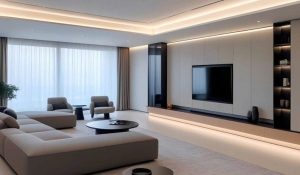 Hidden Lighting Techniques to Instantly Upgrade Your Interiors
 The Art of Layered Lighting in Modern Interiors
 Outdoor Lighting Ideas for Gardens and Patios
0 Comments