
Lighting isn’t just about brightening a room—it’s about setting the mood, defining spaces, and elevating your entire interior design. In modern homes, Layered Lighting Design has become an essential approach to achieving balance, comfort, and functionality. Whether you’re reading, relaxing, or entertaining, lighting layers help you shape the atmosphere exactly how you want it.
In this guide, we’ll explore how to master ambient lighting, accent lighting, and task lighting, along with expert home lighting tips to help you transform your interiors from ordinary to exceptional.
Understanding Layered Lighting Design
At its core, Layered Lighting Design is all about combining different types of light to serve multiple purposes within a single space. Instead of relying on a single overhead fixture, layered lighting uses a mix of sources—each with its own role—to enhance depth, warmth, and functionality.
When done right, this approach makes your space feel more cohesive, adaptable, and visually rich.
The Three Main Layers of Light
Every effective lighting plan includes three essential layers:
- Ambient Lighting – your base layer.
- Task Lighting – your functional, focused layer.
- Accent Lighting – your decorative, dramatic layer.
Each plays a unique role in creating a balanced and comfortable interior. Let’s break them down one by one.

Ambient Lighting: Setting the Mood
Ambient lighting forms the foundation of your lighting scheme. It provides overall illumination and ensures a room is evenly lit without harsh shadows. Think of it as the “natural daylight” inside your home.
How to Achieve Ambient Lighting
- Ceiling Fixtures – Recessed downlights, flush mounts, or chandeliers are great for providing broad, even light.
- Wall Sconces – Help distribute light more softly across walls, reducing glare.
- Pendant Lights – Perfect for open-plan living areas or dining spaces, especially when hung at varying heights for depth.
The goal of ambient lighting is to create a comfortable level of brightness that allows you to move around easily without straining your eyes.
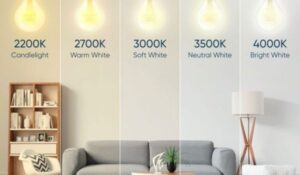
Warm vs Cool Ambient Light
- Warm white light (2700K–3000K) creates a cozy, inviting feel—great for living rooms and bedrooms.
- Cool white light (3500K–4000K) feels cleaner and more energizing, ideal for kitchens and bathrooms.
💡 Tip: Always consider dimmers for your ambient lighting. They let you adjust brightness throughout the day, adding flexibility and energy savings.
Task Lighting: Function Meets Focus
While ambient lighting provides overall brightness, task lighting zeroes in on specific areas to support activities like cooking, reading, or working. It’s all about functionality—making sure every task gets the right level of illumination.
Where Task Lighting Matters Most
- Kitchens – Under-cabinet LED strips help illuminate countertops for meal prep.
- Home Offices – Adjustable desk lamps ensure you have focused light without glare.
- Bathrooms – Vanity lights placed on both sides of the mirror provide even lighting for grooming.
- Bedrooms – Bedside lamps make reading more comfortable without lighting up the entire room.
Task Lighting Tips
- Keep brightness between 300–500 lumens for reading or precision work.
- Position lights to the side or behind your workspace to avoid casting shadows.
- Choose fixtures with adjustable heads or arms for better flexibility.
🔗 Pro Tip: Not sure whether LED or halogen is best for your task lights? Check out our detailed comparison on LED vs Halogen Lighting: Which Is Better for Your Home.

Accent Lighting: Highlighting the Details
If ambient lighting sets the mood and task lighting adds functionality, accent lighting is what brings drama, focus, and personality into your interiors. It’s the secret ingredient that makes a room pop.
How to Use Accent Lighting
- Spotlights or Track Lights – Perfect for drawing attention to artwork, sculptures, or architectural features.
- Wall Washers – Create an even layer of light across textured walls for a gallery-like effect.
- LED Strips – Hidden under cabinets, behind mirrors, or along stairs, they add a modern, high-end touch.
Accent lighting is less about brightness and more about contrast—it guides the eye and adds depth to your design.
Layering Accent Light Properly
- Use it sparingly. Too much accent lighting can overwhelm rather than enhance.
- Balance it with ambient and task lighting so the space feels cohesive, not cluttered.
- Consider using color temperature strategically—slightly warmer tones for cozy spaces, cooler ones for sleek modern rooms.
Combining All Three Layers
The magic of Layered Lighting Design lies in blending all three elements—ambient, task, and accent—so they work together in harmony.
A Step-by-Step Layering Example
- Start with Ambient Lighting – Install recessed ceiling lights or a statement chandelier to set the base.
- Add Task Lighting – Place lamps or under-cabinet LEDs where you perform daily tasks.
- Finish with Accent Lighting – Highlight artwork, wall textures, or statement furniture.
When layered effectively, your lighting not only enhances functionality but also highlights your interior design choices, creating an atmosphere that feels intentional and complete.

Home Lighting Tips for a Polished Finish
Even small lighting adjustments can make a huge difference. Here are some expert home lighting tips to refine your setup:
- Use Dimmers Everywhere – They offer flexibility and mood control in every room.
- Mix Fixture Styles – Combine pendant lights, sconces, and floor lamps for variety and visual interest.
- Mind the Scale – Large fixtures in small spaces can overwhelm; small ones in big rooms can disappear.
- Consider Color Rendering Index (CRI) – A CRI above 90 ensures colors in your space appear natural.
- Avoid Glare – Use diffused shades or frosted bulbs for a softer look.
Room-by-Room Lighting Breakdown
Living Room
- Combine ceiling fixtures (ambient) with floor lamps (task) and LED strips around shelves (accent).
- Add dimmers to switch between cozy evenings and bright gatherings.
Kitchen
- Use recessed lights for ambient brightness.
- Add under-cabinet lighting for meal prep.
- Install pendant lights over the island for a stylish focal point.
Bedroom
- Soften ambient light with warm color tones.
- Use reading lamps for bedside task lighting.
- Incorporate LED strips behind the headboard for subtle accent light.
Bathroom
- Overhead ambient lighting for overall visibility.
- Vanity lighting on both sides of the mirror for grooming.
- Accent lighting behind mirrors or under floating vanities for a spa-like touch.
Conclusion
A well-planned Layered Lighting Design can completely transform your home. By combining ambient lighting, task lighting, and accent lighting, you create spaces that not only look beautiful but also function perfectly for everyday living.
Lighting is more than a utility—it’s a form of design expression. With thoughtful placement, varied brightness levels, and a touch of creativity, you can turn any room into a warm, inviting, and visually dynamic space.
If you’re ready to upgrade your home lighting, don’t forget to explore our in-depth guide on LED vs Halogen Lighting: Which Is Better for Your Home.
Related posts:
 A Guide to Decorating Your Home with LED Lights
 Which Smart Lights Work with iPhone?
 Shedding Light on the Benefits of Hiring a Professional Lighting Designer
 How to Enhance Your Home Decor with the Perfect Lighting
 Vanity Lights: Should They Point Up or Down?
 Brighten Up Your Space: Top Room Decor Lights to Create Ambiance
 Decorative Ceiling Lights: A Guide to Illuminating Style
 LED vs. Halogen Lighting: Which is Better for Your Home?
 Ceiling Lighting Trends 2025: What’s In and What’s Out?
 Lighting for Small Spaces: How to Make Your Home Feel Bigger
 Outdoor Lighting Ideas for Gardens and Patios
 How to Choose the Right Color Temperature for Each Room
0 Comments