
Narrow living rooms are one of the most common design challenges homeowners and apartment dwellers face. Whether you’re living in a modern apartment, a townhouse, or a compact family home, a long and narrow living room can often feel cramped, awkward, and difficult to furnish.
The good news is that the right furniture arrangement can dramatically transform how the room looks and functions. By following proven furniture placement rules for narrow living rooms, you can create a space that feels larger, more comfortable, and visually balanced without sacrificing style.
As interior designers frequently emphasize, successful room layouts are less about the size of the room and more about how the available space is utilized. Small changes in furniture positioning can improve movement, enhance visual flow, and make the room feel significantly more spacious.
In this guide, we’ll explore seven practical furniture placement rules that can instantly improve narrow living rooms and help you make the most of every square foot.
Why Furniture Placement Matters in Narrow Living Rooms
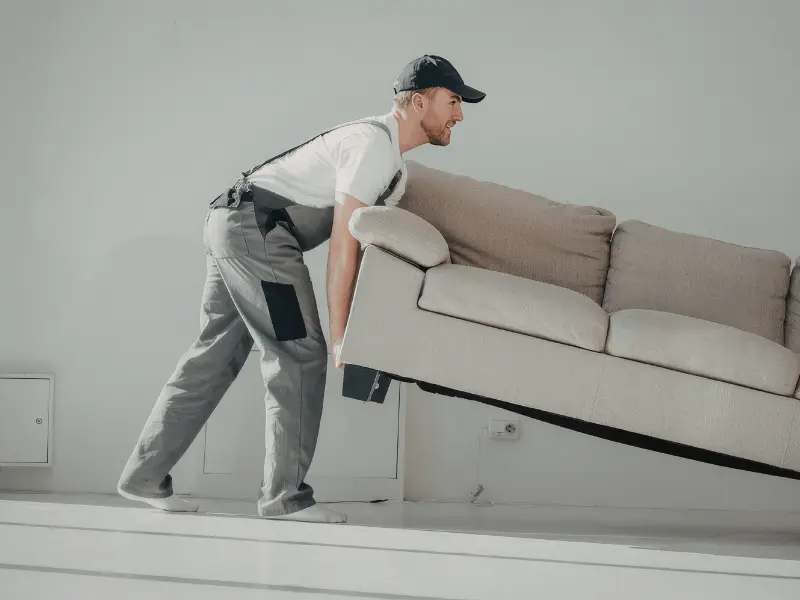
Before diving into specific rules, it’s important to understand why furniture placement plays such a critical role in narrow spaces.
Unlike square or open-plan rooms, narrow living rooms naturally direct the eye from one end to the other. Poor furniture arrangement can exaggerate this tunnel-like effect, making the room feel longer and more confined.
Strategic placement helps:
- Improve traffic flow
- Create visual balance
- Maximize usable floor space
- Enhance natural lighting
- Define functional zones
- Make the room feel wider and more inviting
When implemented correctly, these furniture placement rules for narrow living rooms can completely change how the space is perceived.
Rule #1: Create a Clear Walking Path
One of the biggest mistakes homeowners make is placing furniture directly in the path of movement.
In a narrow living room, maintaining a clear traffic route should be your top priority. People should be able to move comfortably from one end of the room to the other without weaving around furniture.
Best Practices:
- Leave at least 75–90 cm of walking space where possible.
- Position larger furniture pieces against walls when appropriate.
- Avoid placing coffee tables or decorative pieces in primary walkways.
- Consider furniture with slimmer profiles.
A clear pathway immediately makes a narrow room feel more organized and spacious.
Rule #2: Avoid Pushing Every Piece Against the Walls
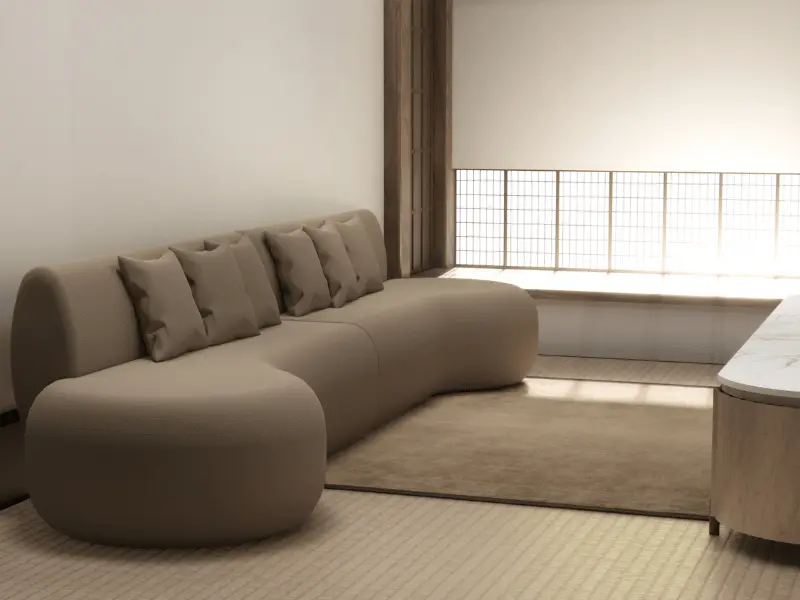
Many people assume that placing all furniture against the walls will make a room feel larger. Surprisingly, the opposite is often true.
When every piece hugs the perimeter, the room can feel disconnected and overly elongated.
What to Do Instead
Try floating key furniture pieces slightly away from the wall.
For example:
- Position a sofa a few inches from the wall.
- Use a console table behind the sofa.
- Create subtle separation between zones.
This technique adds depth and creates a more intentional furniture arrangement.
Interior designers often use this approach to reduce the “bowling alley” effect common in long, narrow rooms.
Rule #3: Choose the Right Sofa Position
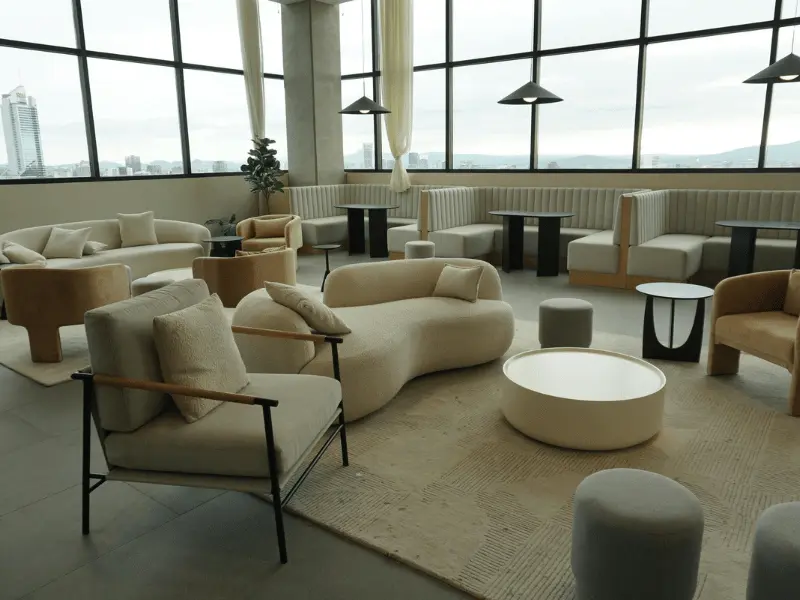
The sofa is typically the largest piece of furniture in the living room and serves as the anchor for the entire layout.
Choosing the wrong sofa placement can make a narrow room feel even tighter.
Recommended Sofa Placement
In most narrow living rooms:
- Place the sofa along the longest wall.
- Keep it proportional to the room size.
- Avoid oversized sectional sofas unless the room dimensions support them.
- Consider apartment-sized sofas or slim-arm designs.
A streamlined sofa preserves valuable floor space while maintaining comfort.
If additional seating is required, pair the sofa with lightweight accent chairs instead of bulky loveseats.
Rule #4: Use Furniture to Create Zones
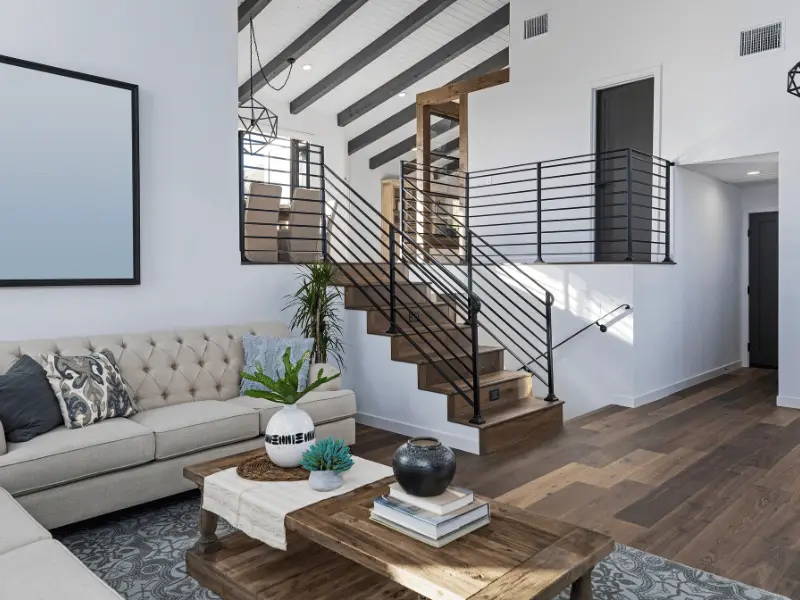
Long living rooms often benefit from dividing the space into functional zones.
Rather than treating the room as a single rectangle, create separate areas for different activities.
Examples include:
- TV viewing area
- Reading corner
- Conversation space
- Work-from-home nook
- Children’s play area
How to Define Zones
Use furniture strategically:
- Area rugs
- Console tables
- Open shelving
- Accent chairs
- Floor lamps
Creating zones breaks up the room’s length and makes it feel more balanced and purposeful.
This is one of the most effective furniture placement rules for narrow living rooms because it improves both functionality and aesthetics.
Rule #5: Scale Furniture to the Room
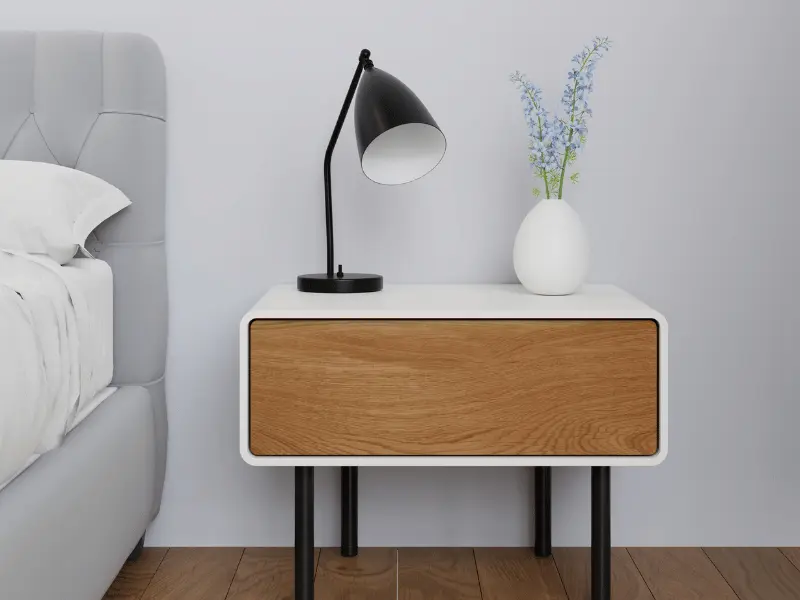
Oversized furniture is one of the fastest ways to overwhelm a narrow living room.
Large sofas, chunky coffee tables, and oversized entertainment units consume valuable space and restrict movement.
Look for:
- Slim-profile seating
- Round coffee tables
- Nesting tables
- Open-frame furniture
- Furniture with exposed legs
Furniture with visible legs creates a sense of openness because more floor area remains visible.
The Importance of Visual Weight
Visual weight refers to how heavy a piece appears.
Glass tables, acrylic furniture, and open shelving generally appear lighter than solid wood pieces of similar dimensions.
Reducing visual weight helps narrow rooms feel larger and less cluttered.
Rule #6: Position Furniture to Enhance Natural Light
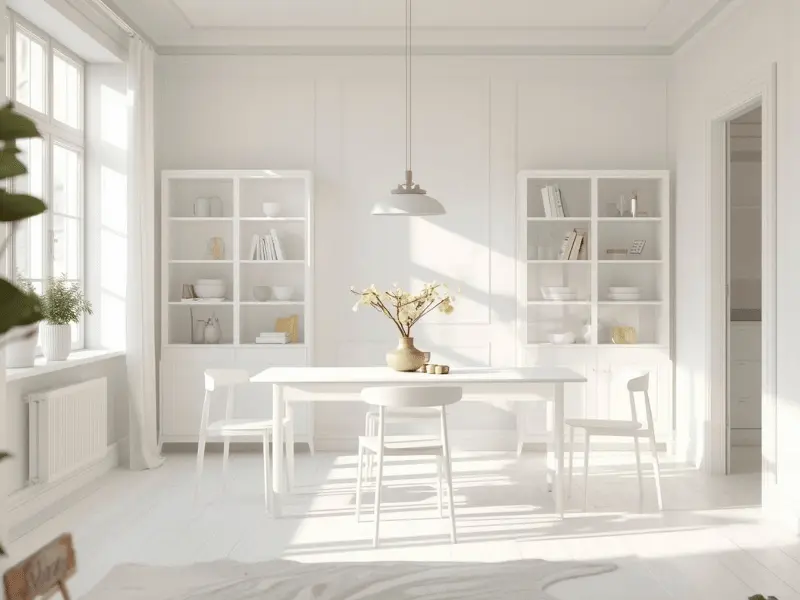
Natural light is one of the most powerful tools for making small spaces feel larger.
Unfortunately, poor furniture placement can block windows and limit light distribution.
Smart Placement Strategies
- Keep tall furniture away from windows.
- Avoid placing large bookcases near natural light sources.
- Use low-profile furniture beneath windows.
- Position mirrors opposite windows to reflect light.
The more natural light that travels through the room, the wider and more open the space will appear.
Light-filled rooms also feel more welcoming and comfortable throughout the day.
Rule #7: Use Angles Sparingly and Intentionally
Many homeowners experiment with angled furniture arrangements to add visual interest.
While this can work in larger spaces, excessive diagonal placement often creates wasted space in narrow living rooms.
When Angles Work Best
Consider using a single angled chair or accent piece:
- Reading nook chair
- Accent armchair
- Decorative side table
However, keep major furniture pieces aligned with the room’s architecture.
Straight furniture lines reinforce order and maximize usable floor space.
The goal is to create visual variety without disrupting movement or reducing functionality.
Additional Design Tips for Narrow Living Rooms
Beyond these furniture placement rules for narrow living rooms, several design techniques can further improve the space.
Use Large Area Rugs
Contrary to popular belief, larger rugs often make rooms feel bigger.
A rug that fits beneath major furniture pieces helps unify the layout and visually widen the room.
Incorporate Vertical Storage
When floor space is limited, utilize wall space.
Examples include:
- Floating shelves
- Wall-mounted cabinets
- Built-in storage
- Tall bookcases
Vertical storage reduces clutter while maintaining a clean footprint.
Choose Light Colors

Lighter colors reflect more light and create the illusion of openness.
Popular choices include:
- Soft white
- Warm beige
- Light gray
- Pale greige
- Sand tones
These shades help narrow rooms feel brighter and more expansive.
Minimize Clutter
Even the best furniture layout can be undermined by excessive clutter.
Regularly evaluate decorative items and remove anything that does not contribute to the room’s function or design.
A streamlined space naturally feels larger.
Common Furniture Placement Mistakes to Avoid
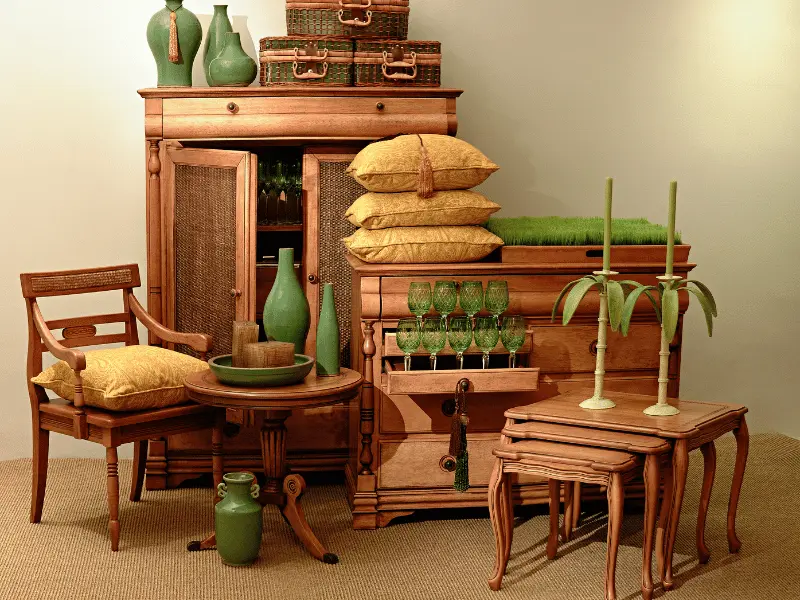
When arranging a narrow living room, avoid these common mistakes:
Blocking Traffic Flow
Furniture should never force people to navigate obstacles.
Using Oversized Sectionals
Large sectionals often dominate narrow spaces and limit flexibility.
Ignoring Scale
Furniture should complement room dimensions rather than overwhelm them.
Overcrowding the Room
More furniture does not necessarily mean greater comfort.
Blocking Natural Light
Avoid placing bulky items near windows whenever possible.
Recognizing these mistakes can save time and help achieve a more successful layout.
Final Thoughts
A narrow living room doesn’t have to feel restrictive or uncomfortable. By following these seven furniture placement rules for narrow living rooms, you can dramatically improve both the appearance and functionality of your space.
The key principles are simple:
- Maintain clear walkways.
- Scale furniture appropriately.
- Create purposeful zones.
- Maximize natural light.
- Prioritize visual balance.
- Reduce clutter.
- Arrange furniture with intention.
Even small adjustments can make a significant difference. With thoughtful planning and strategic furniture placement, a narrow living room can feel spacious, inviting, and perfectly suited to everyday living.
Whether you’re redesigning an apartment, upgrading a townhouse, or refreshing your family home, these practical rules provide a strong foundation for creating a more comfortable and visually appealing living space.
Related posts:
 5 Steps to Designing a Functional Bedroom
 A Guide to Small Bedroom Layouts
 Best Multipurpose Furniture ideas
 The Art of Positioning: Finding the Best Place for Your Bed
 Essential Nursery Furniture: What Furniture Do You Need in a Nursery?
 When to Update Furniture: A Guide to Keeping Your Space Fresh and Functional
 Scandinavian Designs Furniture: Timeless Elegance for Your Home
 Top Trends in Outdoor Furniture for 2024
 Discover the Latest Furniture Styles and Trends That Will Elevate Your Space
 Top Office Furniture Design Trends for a Modern Workspace
 Garden Furniture Trends 2025: What’s New in Outdoor Design
How to Create a Space That Grows With Your Child : Kid’s Room Design UAE
Garden Furniture Trends 2025: What’s New in Outdoor Design
How to Create a Space That Grows With Your Child : Kid’s Room Design UAE
0 Comments