
When we sit down with clients in Dubai to discuss a kitchen renovation, the conversation usually starts with the big items: the cabinetry, the island size, and the appliances. But more often than not, it’s the backsplash that ends up being the “make or break” element of the entire design.
In our experience at Pinnacle Studios, the backsplash is the bridge between your countertop and your cabinetry. If you get it right, the kitchen feels cohesive and expensive. If you get it wrong, even the most premium Italian marble counters can look a bit “off.”
Choosing the perfect finish isn’t just about picking a pretty color from a showroom. It’s about understanding how materials hold up against Dubai’s humidity, how they interact with under-cabinet LED lighting, and how much maintenance you’re actually willing to do after a long work week. This kitchen backsplash guide is designed to help you navigate those choices based on what we see working in homes across the UAE every day.
Why the Backsplash is More Than Just a “Splash Guard”
Most homeowners come to us thinking of the backsplash as a purely functional piece—something to stop oil from ruining the paint. While that’s true, in a modern Dubai villa or apartment, the kitchen is often part of an open-plan living area. This means your backsplash is essentially a piece of wall art that is visible from your dining table or sofa.
We usually recommend looking at the backsplash as the “texture” of the kitchen. Because it sits on a vertical plane at eye level, it catches the light differently than your horizontal countertops. Whether you’re going for a sleek, minimalist look in a Downtown apartment or a warmer, Mediterranean vibe in a Jumeirah villa, this choice sets the tone for the entire room.

Material Trade-offs: What We See in the Field
When it comes to backsplash tiles and slabs, there is no “perfect” material—only the material that fits your lifestyle. We often see clients get caught up in aesthetics and forget about the practicalities of cooking.
- Porcelain and Ceramic Tiles
This is the most popular choice for a reason. Modern porcelain can mimic almost anything—marble, concrete, wood, or even fabric.
- The Pro: They are incredibly non-porous. In Dubai’s climate, where indoor humidity can fluctuate, porcelain remains stable and very easy to wipe down.
- The Reality: The “look” of your tile is heavily dependent on the grout. We often see homeowners choose a beautiful tile but fail to consider the grout color. If you’re doing heavy cooking with spices like turmeric or saffron, white grout can be a nightmare to keep clean. We usually suggest a darker or epoxy-based grout for high-use kitchens.
- Full-Slab Natural Stone or Quartz
Continuing the countertop material up the wall is a massive trend in kitchen design UAE right now. It creates a seamless, “waterfall” effect that feels incredibly high-end.
- The Pro: No grout lines. This makes cleaning effortless and creates a sense of immense scale, which is great for large villa kitchens.
- The Reality: Natural stones like marble are porous. We’ve seen beautiful Calacatta backsplashes stained by oil splashes behind the hob within weeks. If you love the look of stone but want peace of mind, we recommend high-quality quartz or sintered stone (like Dekton) which are much more resistant to heat and stains.
- Glass Backsplashes
Back-painted glass was once the go-to for modern apartments. While it’s starting to take a backseat to more textured finishes, it still has a place.
- The Pro: It reflects light beautifully, making small, galley-style kitchens feel twice as big.
- The Reality: Every fingerprint and water droplet shows. If you have a busy household with kids, you might find yourself cleaning it more often than you’d like.

The Height Debate: Standard vs. Full Height
One of the most common questions we get is: “How high should the backsplash go?”
In the past, the standard was roughly 45cm to 60cm—basically the gap between the counter and the upper cabinets. However, we are increasingly seeing a shift toward full-height backsplashes. This involves running the material all the way to the ceiling, especially behind the range hood or around windows.
In our experience, taking the backsplash to the ceiling makes a room feel taller. If you live in a Dubai apartment with standard ceiling heights, a full-height backsplash can trick the eye into thinking the space is loftier than it is. It’s a small investment in extra material that yields a huge “wow” factor.
Integrating Your Finishes
A backsplash doesn’t live in a vacuum. It has to play nice with your flooring and cabinetry. We often find that if a client has chosen a very busy, patterned floor, the backsplash needs to be more understated.
If you are currently choosing materials for a full renovation, you might also be thinking about the durability of your floors. Just as you want a backsplash that can handle heat, you need a floor that can handle the foot traffic of a busy home. You can read our thoughts on the best flooring for high-traffic areas to see how we balance durability with style in other parts of the home.

Common Mistakes to Avoid
Through the hundreds of projects we’ve managed, we’ve noticed a few recurring mistakes that homeowners make when navigating their own kitchen backsplash guide.
Ignoring the Power Outlets
This is the “silent killer” of great design. You pick a gorgeous, uninterrupted slab of marble, and then the electrician cuts four plastic white power outlets right in the middle of it.
- Our Advice: Plan your “pop-up” outlets or hide them under the upper cabinets (plug strips). If they must be on the wall, look for high-end faceplates that match the color of your backsplash.
Overlooking Lighting
Dubai homes often rely on heavy artificial lighting. We’ve seen clients choose a textured, 3D tile that looks amazing in the showroom, but when the under-cabinet LEDs are turned on, the shadows become harsh and distracting. Always test your tile sample under the specific light temperature you plan to use in your kitchen.
Chasing Trends Too Hard
Hexagons, fish scales, and bright colors are fun, but the kitchen is a long-term investment. We usually recommend going “timeless” with the permanent fixtures and adding personality through stools, lighting, or countertop accessories. If you do go for a bold interior finishes choice, ensure it’s a color you truly love, not just something you saw on a trend report.
Practical Tips for Your Selection Process
- Get a Large Sample: Small 10x10cm chips are useless. Ask for a full tile or a large off-cut of the slab. Lean it against your wall in your actual kitchen and watch how the light hits it at different times of the day.
- Think About the “Edge”: If your backsplash doesn’t end at a wall, how will the edge be finished? We often suggest a “Schluter” strip (a metal trim) or a mitered edge for a cleaner look.
- Consider Your Cooktop: If you have a powerful gas range, avoid materials that can crack under extreme heat stress, like certain types of glass or poorly manufactured low-grade quartz.
Final Thoughts
Choosing a backsplash is where you get to have the most fun with your kitchen design. It’s the finishing touch that ties your cabinets and counters together into a cohesive story. Whether you prefer the classic appeal of backsplash tiles or the modern luxury of a seamless slab, the key is to balance your aesthetic goals with the reality of your daily life.
At Pinnacle Studios, we believe the best kitchens are the ones that look just as good three years later as they did on day one. By choosing materials that suit the Dubai lifestyle and paying attention to the small details like grout and lighting, you’ll create a space that is both beautiful and functional.
Related posts:
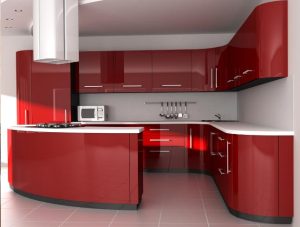 G-Shaped Kitchen Layout
 Choosing the Best Windows for Energy Efficiency
 Interior Design Project Timeline: How Long Does an Interior Design Project Usually Take?
 Make Your a Studio Apartment Feel Like a 2-Bedroom | Smart Design Tricks
 Improve Lighting in Dark Interiors: Smart, Practical Ways to Brighten Any Space
 Modern vs Classic Interior Design (2026 Guide) | Expert Interior Design Company Insights
 Why Dubai Apartments Get Mould Even With AC On — Interior Design Reasons & Fixes
 Best Flooring Options for Dubai Fit-Outs: SPC vs Porcelain vs Vinyl (2026 Guide)
 How to Achieve Energy Efficient Home Design Dubai: A Complete Guide for 2026
 Why Some Rooms Are Hotter in Dubai Homes: Layout & Design Mistakes
 How to design a kids’ room in Dubai: expert tips for apartment living
 Kitchen, Wardrobe & Vanity: How Custom Joinery Creates a Cohesive Home
0 Comments