
Have you ever walked into your home after a long day and still felt restless instead of relaxed? You tidy the kitchen, fluff the cushions, dim the lights, yet something still feels…off.
Many homeowners assume stress comes solely from work, finances, or busy schedules. While those certainly play a role, research in environmental psychology suggests your surroundings also influence how your brain processes stress. The way a room is organized, lit, furnished, and decorated can either help regulate your nervous system—or quietly keep it on high alert.
Your home is more than a place to sleep. It’s where you recharge, connect with family, work remotely, and recover from daily demands. If the environment constantly overwhelms your senses, your brain never truly gets the chance to switch into recovery mode.
This is why thoughtful interior design isn’t just about creating beautiful spaces anymore. Modern designers increasingly focus on wellbeing, using principles from psychology, neuroscience, and biophilic design to create homes that support both physical comfort and emotional health.
In this guide, we’ll explore 12 common interior design mistakes that can make your home feel stressful and, more importantly, practical ways to transform your space into a calmer, healthier environment.
Can Interior Design Really Affect Your Mental Health?
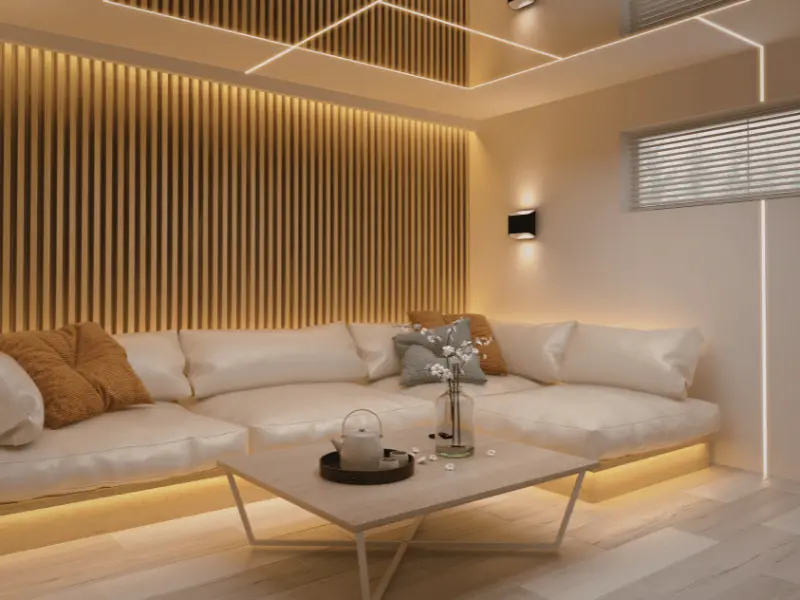
Absolutely.
Scientists have spent decades studying environmental psychology, the field that explores how our surroundings influence emotions, behavior, and wellbeing.
Think about how you naturally react in different environments.
- A noisy airport makes you feel alert.
- A spa instantly encourages relaxation.
- A cozy café feels welcoming.
- A cluttered office often feels overwhelming.
These emotional responses aren’t accidental. Your brain constantly scans your environment for visual information, movement, light, texture, and potential distractions. Every object, color, sound, and spatial arrangement demands a small amount of mental processing.
When too many elements compete for your attention, your brain remains busy—even when you’re trying to unwind.
On the other hand, spaces designed with balance, natural light, comfortable proportions, and meaningful décor require less cognitive effort, allowing your nervous system to relax more easily.
This explains why two homes with identical square footage can create completely different emotional experiences.
Why Your Home Might Be Secretly Increasing Stress

Unlike obvious stressors such as deadlines or traffic, design-related stress usually builds gradually.
Many homeowners adapt to environments that subtly increase anxiety without realizing the space itself is contributing.
Some of the biggest hidden triggers include:
- Constant visual clutter
- Poor lighting
- Awkward room layouts
- Lack of natural materials
- Furniture that blocks movement
- Too many competing colors and patterns
- Rooms without clear purpose
None of these issues may seem significant on their own, but together they create what experts often describe as sensory overload—a state where the brain never fully relaxes because it’s continuously processing unnecessary information.
The good news? Most of these problems can be solved without a complete renovation.
1. Too Much Visual Clutter
Clutter is one of the most common yet underestimated sources of stress inside a home.
It’s not only about cleanliness.
Every visible object competes for your attention.
Stacks of unopened mail, overflowing countertops, crowded shelves, tangled cables, decorative accessories, and random household items all send subtle signals that something still needs your attention.
Your brain interprets unfinished visual information as unfinished tasks.
That’s why simply looking around a cluttered room can feel mentally exhausting—even if you’re not actively cleaning it.
Why It Creates Anxiety
Visual clutter increases cognitive load.
Instead of focusing on relaxing, your brain constantly scans the environment, processing hundreds of unnecessary details.
Over time, this contributes to decision fatigue and makes it harder to fully switch off.
How to Fix It
Instead of aiming for a perfectly minimal home, focus on intentional organization.
Try these strategies:
- Keep countertops mostly clear.
- Use concealed storage where possible.
- Display fewer decorative objects with greater meaning.
- Give every frequently used item a designated home.
- Rotate seasonal décor instead of displaying everything year-round.
Remember, empty space isn’t wasted space—it gives your eyes and mind room to rest.
2. Rooms Without Clear Purpose
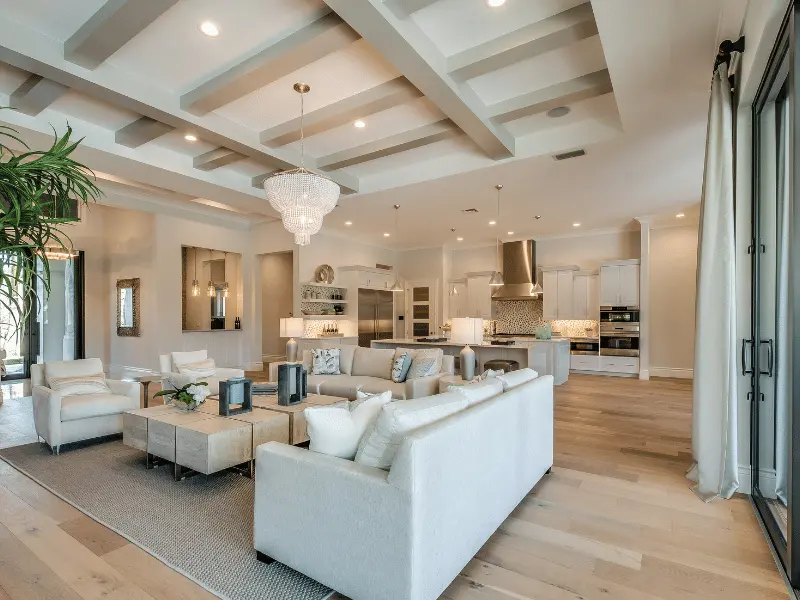
Open-concept homes remain incredibly popular, but many homeowners unknowingly create spaces that feel confusing rather than calming.
When the kitchen flows directly into the dining room, which merges into the living room, which doubles as a workspace, your brain struggles to distinguish between activities.
As a result, you’re mentally “working” while relaxing and “relaxing” while working.
Neither activity receives your full attention.
Why It Matters
Humans naturally respond well to environmental cues.
When spaces have clearly defined functions, your brain transitions more easily between tasks.
Walking into a bedroom signals sleep.
Entering a dining area encourages conversation.
A reading nook invites relaxation.
Without these cues, everything blends together.
Better Design Solutions
You don’t necessarily need walls.
Instead, create subtle boundaries using:
- Area rugs
- Lighting zones
- Open shelving
- Indoor plants
- Furniture placement
- Ceiling treatments
- Accent walls
These visual divisions help your brain understand the purpose of each area without sacrificing openness.
3. Poor Lighting Throughout the Day
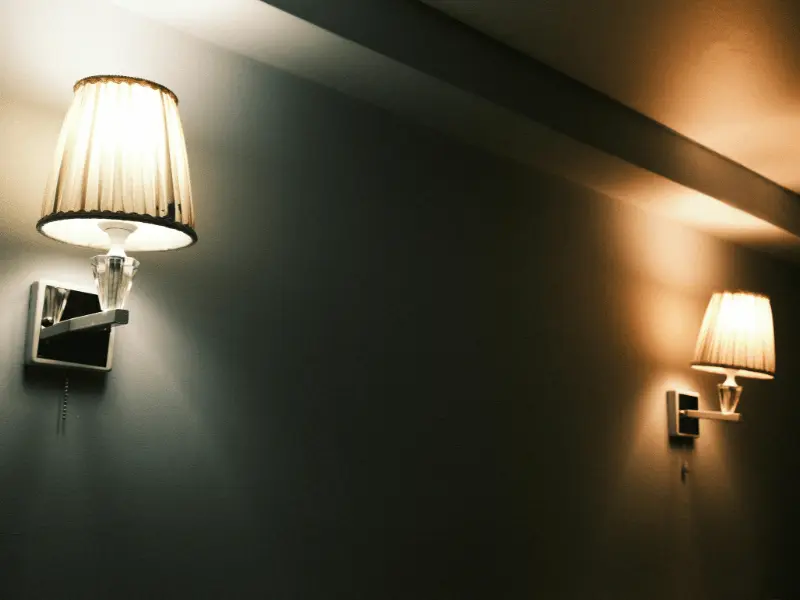
Lighting is one of the most influential—and overlooked—elements in interior design.
Many homes rely on a single bright ceiling light, creating flat, harsh illumination that feels clinical rather than comfortable.
Light also directly affects your circadian rhythm, influencing sleep quality, mood, productivity, and energy levels.
Common Lighting Mistakes
- Cool white bulbs everywhere
- One overhead fixture only
- Dark corners
- Limited natural daylight
- Heavy blackout curtains left closed all day
Create Layered Lighting
Professional interior designers combine several lighting types:
Ambient Lighting
Provides overall illumination.
Task Lighting
Supports reading, cooking, and working.
Accent Lighting
Highlights artwork, shelves, or architectural features.
Mood Lighting
Table lamps, wall sconces, and indirect lighting create warmth and relaxation.
Warm bulbs between 2700K–3000K generally create a softer, more inviting atmosphere for living rooms and bedrooms, while cooler lighting works better in home offices and kitchens.
4. Furniture That Interrupts Movement
A beautiful room isn’t functional if people constantly bump into furniture.
Poor furniture placement creates subtle physical stress because movement becomes restricted.
Your brain notices obstacles long before you’re consciously aware of them.
This can make even a large room feel cramped.
Warning Signs
- Narrow walkways
- Coffee tables too close to sofas
- Oversized sectionals
- Dining chairs that are difficult to pull out
- Furniture blocking windows
Good interior design prioritizes circulation.
Every room should allow comfortable movement without weaving around obstacles.
Professionals often recommend maintaining generous walking paths throughout the home, especially in busy family spaces.
5. Decorating Every Surface
Many homeowners believe every shelf, wall, or tabletop needs decoration.
Ironically, this often creates the opposite of luxury.
Luxury interiors feel calm because they embrace restraint.
Professional designers intentionally leave empty areas.
These “visual breathing spaces” allow statement pieces to stand out while giving the eye somewhere to rest.
A Better Approach
Instead of displaying thirty decorative objects, display five exceptional ones.
Quality almost always creates a stronger impression than quantity.
6. Ignoring Color Psychology

Color is often chosen based on personal taste or current design trends, but it also has a powerful influence on how a room feels. Every color sends subtle signals to the brain, affecting mood, energy levels, and even how spacious a room appears.
That doesn’t mean every room needs beige walls or muted tones. Instead, the goal is to use color intentionally based on how you want each space to function.
How Colors Influence Mood
- Soft blues promote calmness and concentration.
- Greens evoke nature, balance, and restoration.
- Warm neutrals create comfort and timeless elegance.
- Earthy browns provide a grounding effect.
- Deep reds and bright oranges stimulate energy but may feel overwhelming if overused.
- High-contrast color combinations can increase visual stimulation.
Design Tip
Reserve bold colors for accents such as cushions, artwork, or feature walls while allowing larger surfaces to remain visually balanced. This creates interest without overwhelming the senses.
7. Forgetting Nature Indoors
Humans have an innate connection with nature—a concept known as biophilia. It’s why people naturally feel relaxed near forests, gardens, beaches, and parks.
Unfortunately, modern homes often replace natural experiences with concrete, plastic, synthetic finishes, and digital screens.
When nature disappears from our living environment, so does one of our strongest sources of psychological comfort.
Easy Ways to Introduce Biophilic Design
You don’t need an indoor jungle to experience the benefits.
Simple additions can make a significant difference:
- Indoor plants
- Fresh flowers
- Wooden furniture
- Natural stone surfaces
- Linen curtains
- Cotton upholstery
- Woven baskets
- Water features
- Large windows overlooking greenery
Natural elements soften a room while improving its visual warmth and emotional comfort.
8. Choosing Style Over Comfort
Beautiful furniture photographs well.
Comfortable furniture improves everyday life.
Sometimes homeowners prioritize appearance over usability, purchasing chairs that are uncomfortable, sofas that are too firm, or dining furniture that discourages people from sitting for long periods.
Over time, these decisions affect how people actually use their homes.
If your favorite seat is the car because it’s more comfortable than your living room sofa, your design isn’t working.
Prioritize Human Comfort
Before purchasing furniture, ask:
- Can I comfortably sit here for an hour?
- Is the seating height appropriate?
- Does it encourage conversation?
- Is movement around it easy?
- Does it support everyday living?
Interior design should improve your lifestyle—not simply impress visitors.
9. Following Every Trend
Social media constantly introduces new interior design trends.
One month it’s all-white minimalism.
The next month it’s dopamine décor, quiet luxury, Japandi, or maximalism.
While trends can provide inspiration, designing an entire home around them often leads to spaces that quickly feel outdated—or worse, disconnected from your personality.
A home should reflect the people living inside it, not simply what’s trending online.
Create Emotional Connection
Meaningful interiors often include:
- Family photographs
- Travel souvenirs
- Handmade artwork
- Books you actually read
- Heirlooms
- Personal collections
- Custom joinery designed around your lifestyle
These elements create authenticity that no trend can replicate.
10. Poor Acoustic Design
Visual design receives plenty of attention, but sound is equally important.
Hard surfaces such as tile, concrete, marble, and glass reflect noise, making rooms feel louder than they actually are.
Echoes, appliance sounds, and outside traffic can quietly increase stress over time.
Simple Acoustic Improvements
Add soft materials that absorb sound:
- Area rugs
- Curtains
- Upholstered furniture
- Cushions
- Fabric wall panels
- Bookshelves
- Textured wall finishes
A quieter room often feels calmer without changing its appearance dramatically.
11. Too Many Screens Competing for Attention
Today’s homes often include televisions, tablets, laptops, gaming consoles, smartphones, smart displays, and multiple monitors.
Even when turned off, these devices dominate visual attention.
Blue light exposure during the evening can also interfere with the body’s natural sleep cycle.
Design Around Human Connection
Instead of arranging every piece of furniture around a television, create conversation-focused layouts.
Ideas include:
- Two sofas facing each other
- Comfortable reading corners
- Window seating
- Game tables
- Coffee areas
Technology should support your lifestyle—not define your living space.
12. Neglecting Storage During Renovation
One of the biggest renovation mistakes isn’t choosing the wrong flooring or paint color.
It’s forgetting where everyday items will actually go.
Beautiful spaces become cluttered when storage hasn’t been considered from the beginning.
Professional designers understand that invisible storage is one of the secrets behind homes that always appear organized.
Smart Storage Ideas
Consider incorporating:
- Built-in wardrobes
- Window benches with storage
- Hidden cabinetry
- Under-stair storage
- Floor-to-ceiling shelving
- Multi-functional furniture
- Custom joinery
Storage isn’t simply about organization—it’s about reducing visual stress.
Room-by-Room Checklist for a Calmer Home
Living Room
✔ Remove unnecessary décor
✔ Add layered lighting
✔ Include one or two indoor plants
✔ Arrange seating for conversation
✔ Leave breathing space around furniture
Bedroom
✔ Use warm lighting
✔ Minimize electronics
✔ Choose calming colors
✔ Keep bedside tables uncluttered
✔ Invest in comfortable bedding
Kitchen
✔ Clear countertops
✔ Organize frequently used items
✔ Improve task lighting
✔ Add natural materials where possible
Home Office
✔ Maximize daylight
✔ Add greenery
✔ Reduce cable clutter
✔ Use ergonomic furniture
✔ Keep work supplies organized
Frequently Asked Questions
Why does my home make me feel anxious?
Your home may feel stressful because of visual clutter, poor lighting, overcrowded furniture, excessive noise, or a lack of natural elements. These factors increase cognitive load and make it harder for your brain to relax.
Can interior design improve mental health?
While interior design isn’t a replacement for professional mental health care, research suggests thoughtfully designed environments can reduce stress, improve mood, enhance productivity, and support better sleep by creating spaces that feel comfortable, organized, and restorative.
What colors reduce stress in a home?
Soft greens, muted blues, warm whites, beige, taupe, and other earth-inspired tones are commonly associated with calm, relaxation, and balance. Pairing these colors with natural materials can further enhance a peaceful atmosphere.
How can I make my house feel more relaxing?
Focus on reducing clutter, improving natural light, adding indoor plants, choosing comfortable furniture, incorporating warm lighting, and creating spaces with a clear purpose. Small, intentional changes often have a greater impact than a complete redesign.
Final Thoughts
A beautiful home should do more than impress guests—it should help you feel comfortable, supported, and at ease every day.
The most successful interiors aren’t necessarily the largest or the most expensive. They’re the ones designed around the people who live in them. From thoughtful layouts and layered lighting to natural materials and meaningful décor, every design decision contributes to how your home makes you feel.
If your home has been feeling more draining than comforting, the solution may not be moving to a bigger house or following the latest design trend. Instead, it could be as simple as rethinking how your space supports your daily routines and emotional wellbeing.
Whether you’re planning a full renovation or making small updates one room at a time, prioritizing function, comfort, and balance can transform your home into a place that truly helps you recharge.
Related posts:
 How to Maximise Space in Small Dubai Apartments (small apartment design Dubai)
 How to Design a Playroom That Actually Works for Your Home
 How to Choose the Perfect Colors for Your Living Room | Room Color Guide
 Should I Hire an Interior Designer or Do It Myself?
 How to Plan an Interior Design Budget Without Overspending
 How to Choose the Right Wall Art to Elevate Your Interior Design
 How to Maximize Storage in Small Bedrooms (Clever Space-Saving Ideas)
 How to Choose the Right Bathroom Accessories for a Modern Home
 Top Interior Design Companies in Dubai (2026 Edition)
 Why Your 2BHK Feels Smaller After Furnishing (Designer Layout Breakdown + Fixes)
 How to Create a Luxury Home Interior Without Overspending
 Where to Buy Budget Interiors in the UAE That Don’t Look Cheap
0 Comments