
Your home should do more than look beautiful. It should also feel comfortable, functional and restorative.
With busy schedules, constant notifications and increasingly multifunctional homes, creating a calm interior environment has become an important part of residential design. A well-designed space can make everyday routines feel easier by reducing visual distractions, improving movement, controlling light and creating places where you can genuinely switch off.
However, a calm interior does not necessarily mean an empty room filled with beige furniture. The most successful calming interiors balance simplicity with warmth, personality and practicality.
Recent approaches to calm interior design are also moving beyond decoration. Designers are paying greater attention to spatial flow, sensory experience, natural light, airflow, material choices and how the home supports the way people actually live.
Here are 10 practical ways to create a calmer interior environment.
1. Start With How You Want the Space to Feel

Before choosing paint colours, furniture or accessories, decide what you want the room to make you feel.
Do you want the living room to feel cosy and intimate? Should the bedroom feel quiet and restorative? Should the home office feel focused without becoming stressful?
This approach changes the design process. Instead of choosing individual products because they look attractive, you create a consistent design direction.
A calm interior should feel intentional rather than overly styled. Every major element should have a reason for being there, whether it provides comfort, storage, functionality, texture or visual interest.
This is also why copying a Pinterest or Instagram interior does not always work. Natural light, room proportions, lifestyle and personal preferences all influence how a space feels. A colour or layout that feels relaxing in one home may feel completely different somewhere else.
2. Use a Soft but Personal Colour Palette
Colour is one of the quickest ways to change the atmosphere of a room.
Warm whites, muted beige, taupe, soft grey, earthy greens and clay-inspired shades are commonly used in calming interiors because they create a quieter visual background. However, you do not have to make the entire home neutral.
The key is controlling contrast.
Try using a dominant colour across approximately 60 percent of the space, a secondary colour for around 30 percent and a smaller accent for the remaining 10 percent. Alternatively, create a monochromatic scheme by using several tones of the same colour.
Natural-looking colours can also be combined with subtle darker accents to give the room depth.
Most importantly, test paint samples in the actual room. Natural light changes throughout the day, and the same colour can appear warmer, cooler, lighter or darker depending on the room’s orientation and surrounding materials.
3. Make Natural Light Part of the Design
Natural light should be considered during the planning stage rather than treated as an afterthought.
Where possible, keep windows visually open and avoid placing bulky furniture where it unnecessarily blocks daylight. Sheer curtains can provide privacy while still allowing light into the room, while strategically positioned mirrors can help reflect available daylight.
Think about how the room changes from morning to afternoon and evening.
A bedroom may benefit from gentle morning light, while a living room may be planned around afternoon or sunset light. Understanding these patterns helps determine furniture placement, window treatments and even colour selection.
For homes with limited daylight, artificial lighting becomes particularly important.
4. Layer Your Lighting Instead of Relying on One Ceiling Light
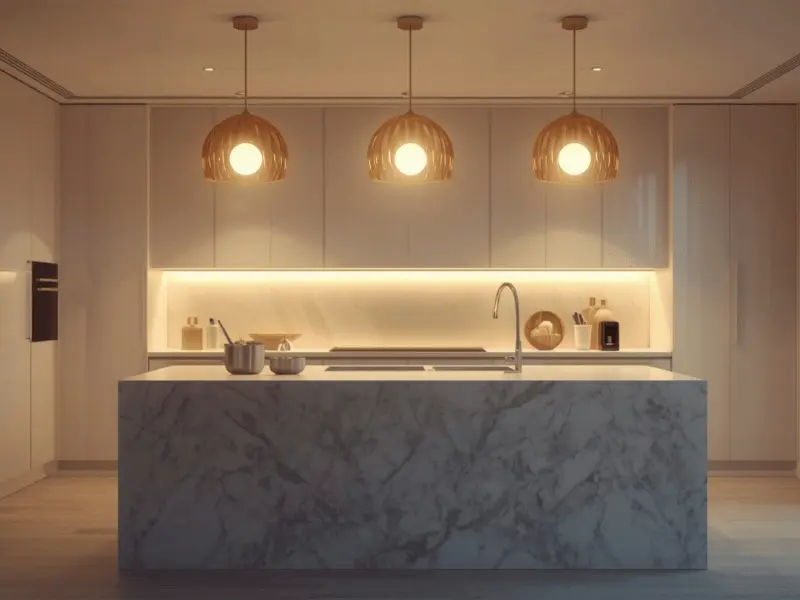
One of the simplest ways to make an interior feel calmer is to stop treating the ceiling light as the only source of illumination.
A well-designed lighting scheme normally combines several layers:
- Ambient lighting for general illumination
- Task lighting for activities such as reading, cooking or working
- Accent lighting for artwork, shelving or architectural details
Floor lamps, table lamps, wall lights, concealed LED strips and dimmable fixtures can create different moods within the same room.
For evening relaxation, warm lighting around 2700–3000K can create a softer atmosphere than harsh, cool-toned illumination.
The goal is flexibility. A living room should be bright enough for daytime activity but capable of becoming softer and more intimate at night.
5. Reduce Visual Clutter With Better Storage
Decluttering is one of the most repeated recommendations for calm interiors, but there is a more useful way to approach it: design storage around the things you actually use.
Instead of simply removing possessions, create dedicated places for them.
Built-in wardrobes, concealed cabinets, full-height joinery, drawers and closed shelving can keep everyday items accessible without keeping everything permanently visible.
This is particularly useful in open-plan homes where the kitchen, dining and living areas share one visual field.
Open shelving can still be used, but it works best when reserved for carefully selected objects. Everything else can be concealed.
The objective is not to make the home look empty. It is to reduce unnecessary visual information so the eye has somewhere to rest. Recent design guidance similarly emphasises closed storage and simplified surfaces as practical ways to reduce visual noise.
6. Design Clear Circulation Paths
One of the newer and often overlooked aspects of calm interior design is how easily people move through a room.
A beautiful room can still feel stressful if you have to walk around furniture, squeeze between a sofa and coffee table or constantly move objects out of the way.
Look at the main routes through each room.
Can you enter the space naturally? Can you reach the sofa without navigating around obstacles? Is there enough clearance around dining chairs, wardrobes and kitchen work areas?
Small adjustments can make a noticeable difference.
Move furniture away from high-traffic paths, create clearer zones and avoid filling every available area simply because there is space for another piece of furniture.
Good circulation makes a home feel intuitive. This relationship between spatial flow and calm is increasingly recognised in contemporary interior design.
7. Create One Strong Focal Point
A room does not need ten interesting features.
In fact, too many competing focal points can make an interior feel visually restless.
Instead, give each room one primary visual anchor.
This could be:
- A large window
- A piece of artwork
- A fireplace
- A textured feature wall
- A beautifully designed sofa
- A view of greenery
- An architectural detail
Once the focal point has been established, supporting elements should complement it rather than compete with it.
This creates visual hierarchy and gives the eye a natural place to settle.
Where possible, a window, garden view or natural element can make an especially effective focal point because it introduces a connection with the outdoors.
8. Bring Nature Into the Interior Through Materials

Biophilic design is about more than putting a plant in the corner.
A stronger approach is to introduce natural materials, organic forms, textures and visual connections to nature throughout the home.
Consider:
- Natural timber
- Stone
- Linen
- Cotton
- Wool
- Ceramic
- Woven materials
- Indoor plants
- Dried branches or grasses
- Earth-inspired colours
Natural materials also introduce subtle variations in texture and appearance, helping prevent a minimalist interior from becoming flat or sterile.
Curved furniture and organic shapes can further soften a space. Contemporary research and design commentary increasingly highlight natural forms, materials and greenery as important components of restorative interiors.
9. Design for All the Senses
A calm interior should not be designed only for the eyes.
Think about what the space feels like, sounds like and smells like.
Soft upholstery, textured rugs and linen curtains can introduce tactile comfort. Natural ventilation can make a room feel fresher, while carefully chosen scents can contribute to the atmosphere.
Sound is another important consideration. Hard surfaces can sometimes make spaces feel acoustically harsh, particularly in large open-plan interiors. Rugs, curtains, upholstered furniture and other soft materials can help make a room feel more comfortable.
This creates what can be described as a multi-sensory interior—one where visual appearance works together with touch, sound, temperature, air movement and scent.
The idea of designing for multiple senses is becoming increasingly important in wellness-focused interiors.
10. Improve Airflow and Freshness
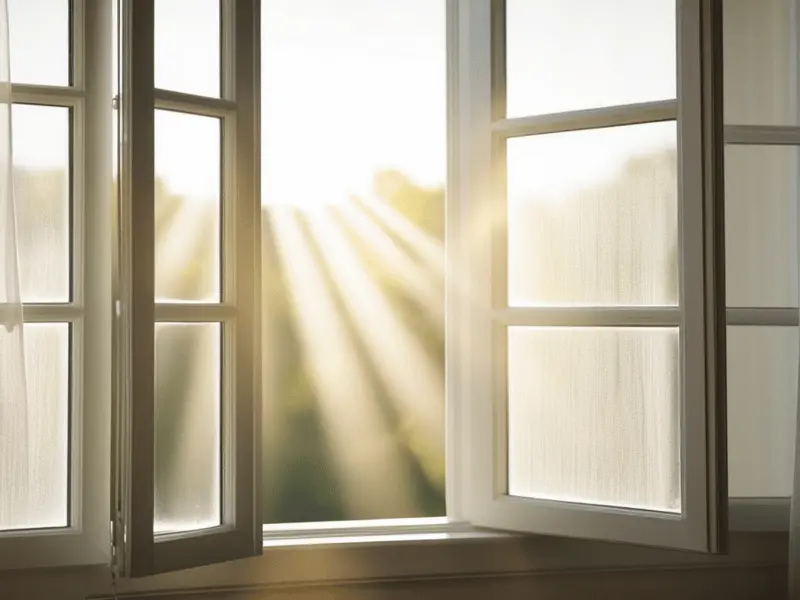
A calm interior should also feel physically comfortable.
Airflow is easy to overlook because it is not immediately visible in photographs, yet ventilation can significantly influence how a room is experienced.
Where the building allows it, opening windows and encouraging cross-ventilation can help refresh indoor air. Furniture should also be arranged so rooms do not feel unnecessarily enclosed.
In warm climates such as Dubai, however, natural ventilation needs to be considered alongside the realities of heat, humidity and air-conditioning. Calm design here is not simply about leaving windows open; it can involve thoughtful HVAC planning, appropriate window treatments, shading and zoning.
This is where professional interior planning becomes particularly valuable. A comfortable interior needs to balance aesthetics with the actual environmental conditions of the home.
Calm Does Not Mean Minimal or Empty
One of the biggest misconceptions about calm interior design is that everything must be white, minimal and perfectly organised.
That is not necessarily true.
A calm home can contain colour, artwork, books, family photographs and meaningful objects. The difference is that these elements are intentionally arranged rather than allowed to compete for attention.
The goal is not to remove personality. It is to create visual hierarchy and breathing room.
A useful question is:
Does this element contribute to the way I want the room to feel, or is it simply adding more visual information?
That question can guide everything from furniture selection to open shelving and decorative accessories.
How to Create a Calm Interior Environment in Dubai
For Dubai homes, calm interior design can be particularly effective when it responds to the local environment.
Use natural daylight strategically, but control glare and heat with appropriate curtains, blinds or shading. Select materials that are comfortable in a warm climate and consider the relationship between artificial lighting and the strong daylight available during the day.
Storage is equally important, particularly in apartments and open-plan villas where several functions may share the same space.
Custom joinery can help integrate wardrobes, media units, kitchen storage and concealed cabinets into the architecture, reducing visual clutter while maximising usable space.
The result should not simply be a beautiful interior. It should be a home that feels easy to live in.
Final Thoughts: Design for How You Want to Live
Learning how to create a calm interior environment is ultimately about more than selecting the right colour or buying softer cushions.
It involves looking at the complete experience of a home: light, colour, layout, storage, materials, airflow, acoustics, nature, comfort and movement.
Start small. Clear one surface. Rearrange a congested pathway. Change the way you use your lighting in the evening. Introduce natural textures. Create a quiet corner. Then consider larger improvements such as integrated storage, lighting design or a more cohesive material palette.
The best calm interiors are not necessarily the most minimalist ones. They are the spaces where everything works together—where the design supports everyday routines, reduces unnecessary friction and gives you somewhere to slow down.
That is the real purpose of a calming interior: not simply to look peaceful, but to make living in the space feel peaceful.
Related posts:
 Transitional Kitchen Design : Where Tradition Meets Modernity
 Space-Saving in Style: Discover the Convenience of Sliding Door Wardrobes
 Top Exterior Design Ideas for a Timeless Home Look
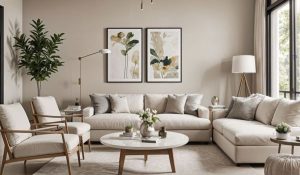 Furniture with Hidden Storage: Stylish Solutions for Small Spaces
 Creating a Bedroom that Feels Like a Boutique Hotel
 Top Curtain Styles That Instantly Upgrade Any Room
 Innovative Staircase Designs for Modern Homes
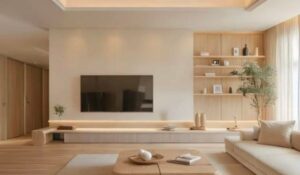 The Most Common Interior Design Mistakes (And How to Avoid Them)
 Why Dubai Apartments Get Mould Even With AC On — Interior Design Reasons & Fixes
 How to Design Around Low Ceilings in Older Dubai Apartments (2026 Guide)
 Why Your Apartment Looks Cheap — And How to Fix It in 1 Week
 No-Drill Wall Decorating Ideas for Renters
0 Comments