
When people hear the phrase luxury home interior, they often imagine massive budgets, imported furniture, designer brands, and extravagant spending. However, creating a sophisticated and elegant living space is not necessarily about spending more—it’s about making smarter design choices.
The truth is that luxury is less about price tags and more about quality, functionality, attention to detail, and thoughtful design. Many homeowners assume they need a complete renovation or unlimited budget to achieve a premium look, but that’s far from reality. By focusing on strategic upgrades, selecting the right materials, and prioritizing the elements that create visual impact, you can transform your home into a luxurious retreat without overspending.
In this guide, we’ll explore practical ways to create a luxury home interior while staying within budget and maximizing the value of every investment.
What Defines a Luxury Home Interior?
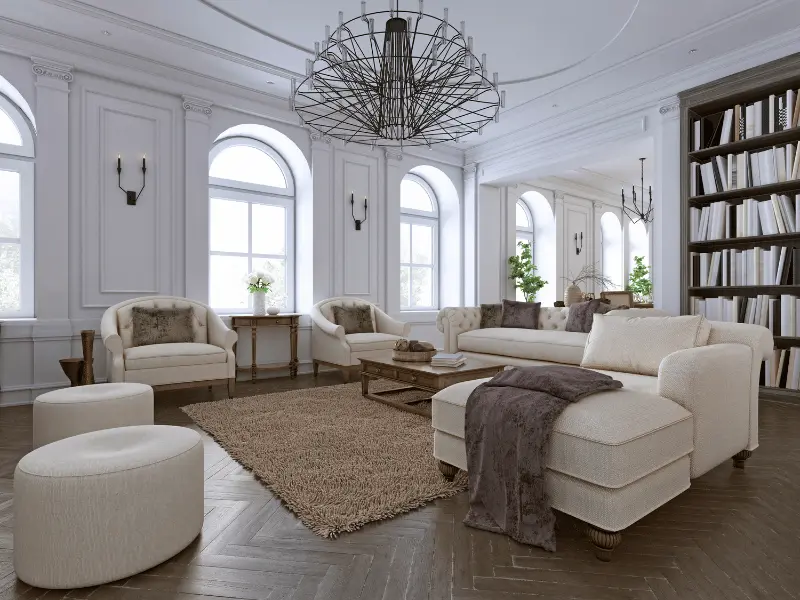
Before discussing budgets and design tips, it’s important to understand what truly creates a luxury aesthetic.
A luxury home interior is characterized by:
- Cohesive and intentional design
- Premium-quality materials
- Balanced color palettes
- Comfortable yet sophisticated furnishings
- Thoughtful lighting design
- Customized details
- Functional layouts
- Attention to craftsmanship
Interestingly, most luxury interiors do not rely on excessive decoration. Instead, they focus on creating a sense of harmony, comfort, and timeless elegance.
Start with a Clear Design Vision
One of the biggest mistakes homeowners make is purchasing furniture and décor items without a clear plan.
Before spending money, define your design direction. Ask yourself:
- Do you prefer modern luxury?
- Contemporary elegance?
- Minimalist sophistication?
- Classic luxury?
- Transitional design?
Having a clear vision prevents costly mistakes and ensures every purchase contributes to the overall aesthetic.
Creating a mood board using inspiration from luxury residences, hotels, and professionally designed homes can help establish a consistent style before any work begins.
Invest in High-Impact Areas First
Not every element in your home needs a luxury upgrade.
Instead of renovating everything simultaneously, focus on areas that create the strongest visual impression.
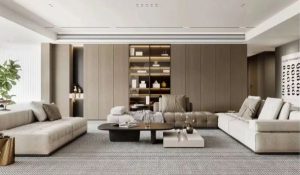
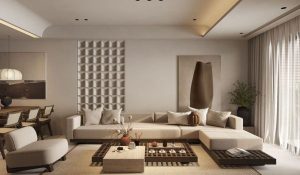
Living Room
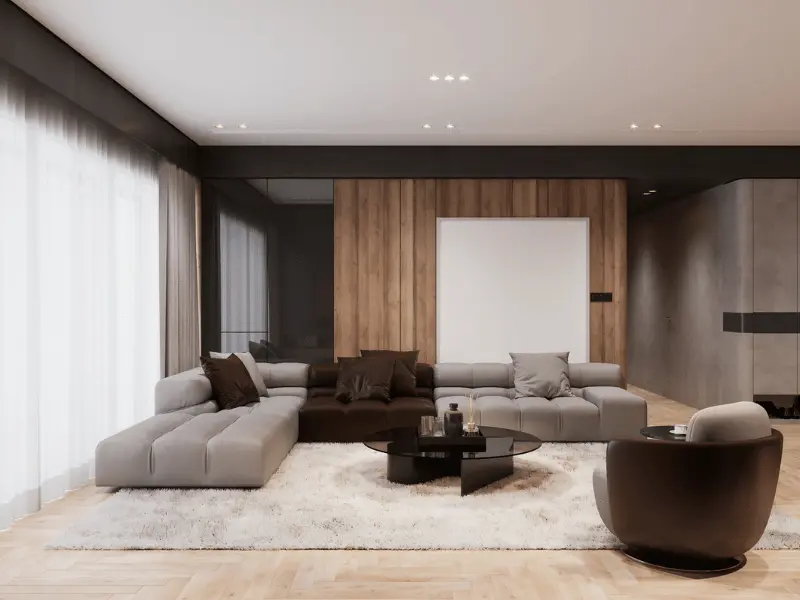
The living room is often the focal point of the home.
Consider investing in:
- A quality sofa
- Statement lighting
- Elegant curtains
- Accent tables
- Large area rugs
A well-designed living room instantly elevates the perception of the entire property.
Kitchen
The kitchen significantly influences the overall value and appearance of a home.
Simple upgrades include:
- Replacing cabinet handles
- Installing under-cabinet lighting
- Updating countertops
- Adding a modern backsplash
- Upgrading faucets
These improvements can dramatically enhance the space without requiring a complete remodel.
Master Bedroom
Luxury is closely associated with comfort.
Focus on:
- Upholstered headboards
- Premium bedding
- Layered lighting
- Custom wardrobes
- Soft furnishings
The bedroom should feel like a private hotel suite rather than simply a place to sleep.
Choose Quality Over Quantity
One of the most effective ways to create affordable luxury interiors is to buy fewer but better items.
Many homeowners clutter their spaces with inexpensive furniture and decorative accessories that quickly wear out.
Instead, allocate your budget toward:
- Durable furniture
- Quality fabrics
- Well-crafted cabinetry
- Premium flooring
- Timeless décor pieces
A single high-quality statement chair often contributes more to a luxury aesthetic than several inexpensive furniture pieces.
Use a Sophisticated Color Palette
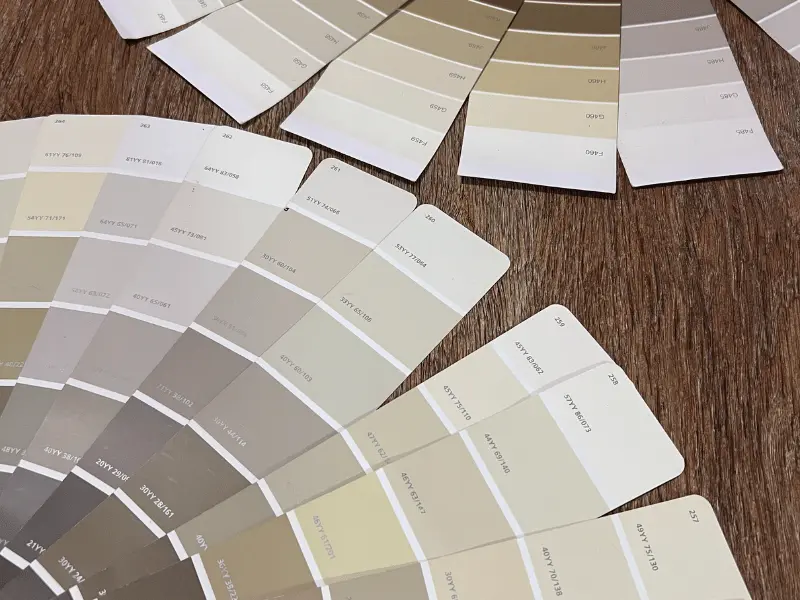
Luxury interior design often relies on carefully selected color schemes.
Popular luxury color combinations include:
Warm Neutrals
- Beige
- Taupe
- Ivory
- Cream
- Soft grey
Modern Luxury
- Charcoal
- White
- Black accents
- Natural wood tones
Elegant Contemporary
- Greige
- Warm whites
- Bronze details
- Earthy textures
Neutral palettes create a timeless foundation and make spaces feel larger, brighter, and more refined.
Upgrade Your Lighting Strategy
Lighting is one of the most underrated aspects of upscale interiors.
Even expensive furniture can appear ordinary under poor lighting conditions.
Professional designers typically use layered lighting, which includes:
Ambient Lighting
Provides overall illumination.
Task Lighting
Supports specific activities such as reading or cooking.
Accent Lighting
Highlights artwork, architectural details, or decorative features.
Installing dimmers can further enhance the ambiance and allow rooms to transition seamlessly between daytime functionality and evening relaxation.
Incorporate Texture for a Premium Feel
Luxury isn’t only visual—it’s tactile.
The most sophisticated interiors use multiple textures to create depth and richness.
Consider incorporating:
- Velvet cushions
- Linen curtains
- Natural stone surfaces
- Wood finishes
- Textured wallpapers
- Area rugs
Combining different materials prevents spaces from feeling flat and creates a layered, designer-inspired appearance.
Focus on Customization Where It Matters
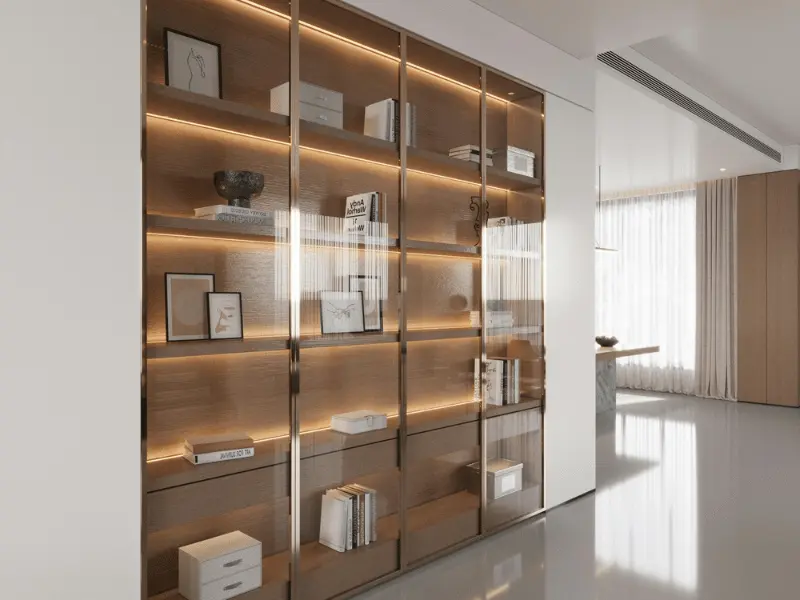
Custom elements often create the strongest impression in luxury living spaces.
Fortunately, not everything needs to be custom-made.
Prioritize customization for:
Built-In Storage
Custom wardrobes and storage solutions improve organization while enhancing aesthetics.
Feature Walls
A carefully designed feature wall can become the centerpiece of a room.
Window Treatments
Custom curtains often appear significantly more luxurious than ready-made alternatives.
These upgrades provide a bespoke appearance without dramatically increasing costs.
Avoid Trend-Chasing
Design trends come and go quickly.
While trends can provide inspiration, building your home entirely around current fashions often leads to expensive updates in the future.
Timeless luxury focuses on:
- Quality craftsmanship
- Neutral foundations
- Classic proportions
- Durable materials
Use trendy elements sparingly through accessories that can be easily replaced when styles evolve.
Maximize Natural Light
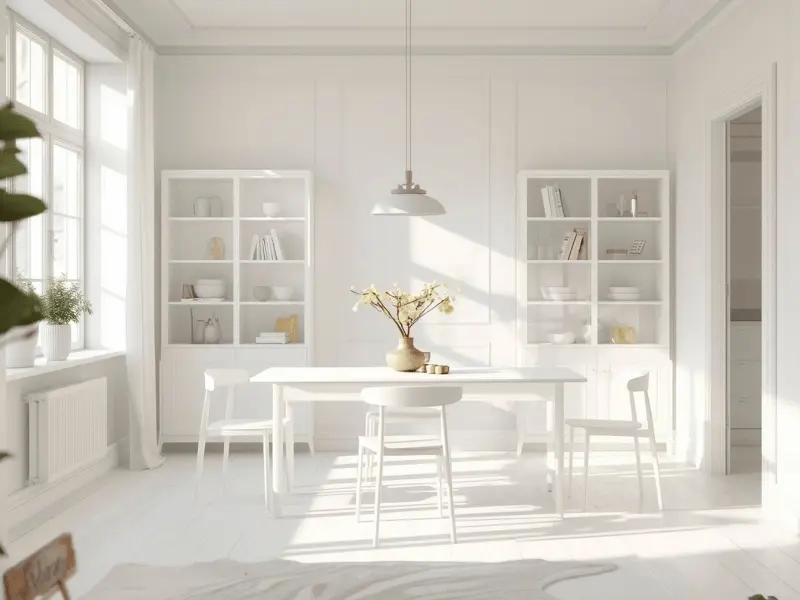
Luxury homes often feel bright, airy, and inviting.
Natural light plays a major role in achieving this effect.
To maximize daylight:
- Use light-colored walls
- Install sheer curtains
- Position mirrors strategically
- Keep windows unobstructed
- Choose reflective finishes where appropriate
Natural light not only improves aesthetics but also enhances well-being and energy efficiency.
Select Flooring Carefully
Flooring covers a substantial portion of any interior and has a major impact on perceived luxury.
Popular premium flooring options include:
Porcelain Tiles
Durable, elegant, and easy to maintain.
Engineered Wood
Provides warmth and sophistication.
Large Format Tiles
Create seamless visual flow and make rooms appear larger.
A common luxury design strategy is maintaining consistent flooring throughout multiple spaces to create a unified look.
Use Statement Pieces Strategically
Every luxury home interior benefits from a focal point.
Examples include:
- Designer chandeliers
- Feature walls
- Large artwork
- Sculptural furniture
- Custom shelving
Rather than filling every corner with decorative items, focus on a few impactful elements that command attention.
This approach often costs less while delivering a stronger visual effect.
Create Hotel-Inspired Spaces
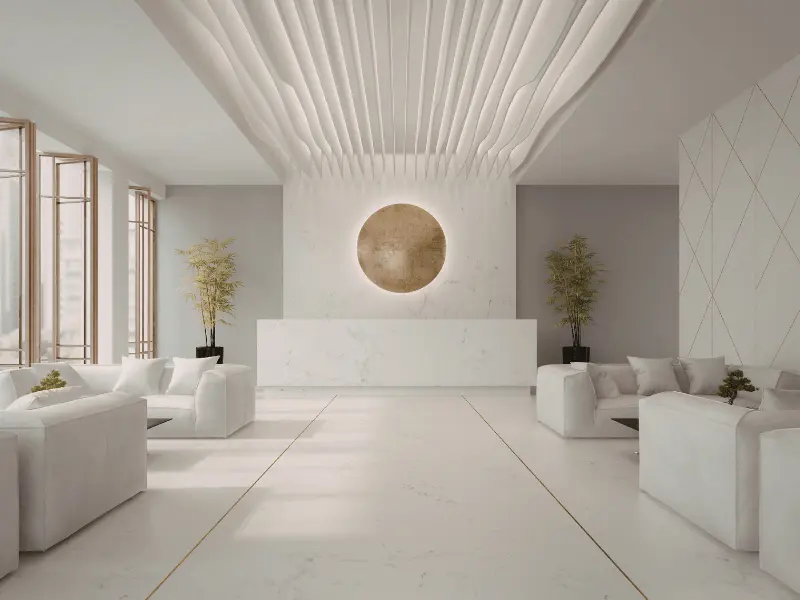
Luxury hotels excel at creating memorable experiences.
Borrowing hospitality-inspired design concepts can elevate residential interiors.
Consider:
- Layered bedding
- Plush rugs
- Soft lighting
- Scented environments
- Organized storage
- High-quality linens
These relatively small upgrades contribute significantly to perceived luxury.
Don’t Ignore Small Details
Often, luxury is found in the details.
Simple upgrades include:
- Premium door handles
- Modern switch plates
- High-quality faucets
- Matching hardware
- Decorative trims
These subtle elements may go unnoticed individually but collectively create a polished and sophisticated appearance.
Work with Interior Design Professionals
Many homeowners assume hiring a designer increases costs.
In reality, experienced professionals often help reduce unnecessary spending by:
- Preventing costly mistakes
- Recommending cost-effective alternatives
- Managing budgets efficiently
- Sourcing quality materials
- Optimizing layouts
Professional guidance ensures every investment contributes toward the overall vision.
Smart Budget Allocation for Luxury Results
A practical rule for homeowners is allocating budgets according to visual impact.
A recommended distribution may include:
- 30% Furniture
- 25% Flooring and Finishes
- 20% Lighting
- 15% Storage and Joinery
- 10% Décor and Accessories
This strategy prioritizes foundational elements that have the greatest influence on the final appearance.
Conclusion
Creating a luxury home interior does not require unlimited resources. True luxury comes from thoughtful planning, strategic investments, quality materials, and attention to detail rather than excessive spending.
By focusing on impactful upgrades, choosing timeless designs, maximizing natural light, incorporating rich textures, and investing in quality over quantity, homeowners can achieve elegant and sophisticated living spaces without exceeding their budget.
At Pinnacle Studio, we believe that luxury should be accessible, functional, and tailored to the unique lifestyle of each homeowner. Through expert design, premium materials, and meticulous craftsmanship, it is possible to create stunning interiors that deliver both beauty and long-term value.
Whether you’re renovating a single room or transforming an entire property, the key to success lies in making informed decisions that balance elegance, practicality, and budget.
Related posts:
 How to Design a Playroom That Actually Works for Your Home
 How to Choose the Perfect Colors for Your Living Room | Room Color Guide
 Why Your 2BHK Feels Smaller After Furnishing (Designer Layout Breakdown + Fixes)
 How to Design Around Low Ceilings in Older Dubai Apartments (2026 Guide)
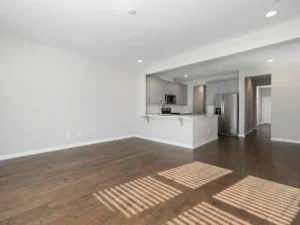 Why Your Apartment Looks Cheap — And How to Fix It in 1 Week
 Where to Buy Budget Interiors in the UAE That Don’t Look Cheap
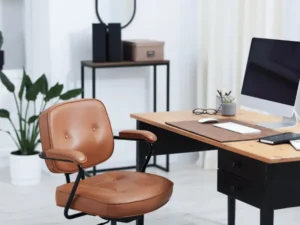 Working From Home in Dubai? 10 Interior Design Solutions for Noise & Privacy
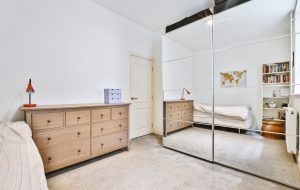 Are mirrored wardrobes a good idea? (Pros and Cons)
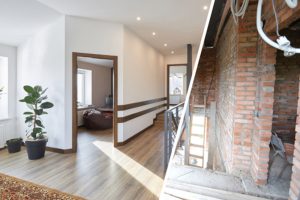 The Right Way to Fix Up a Home for Sale
 The Science of Soundproofing: Best Materials for a Quiet Home
 What’s the Best Layout for a Studio Apartment? Expert Tips Inside
 Outdoor Furniture for Small Balconies: Big Style in Compact Spaces
0 Comments