
Furnishing your first apartment is exciting—but it is also one of the easiest times to overspend. An empty home can make you feel as though you need to buy everything immediately: a sofa, bed, dining table, rugs, curtains, lighting, storage, artwork and countless smaller accessories.
The problem is that furnishing quickly often means buying the wrong sizes, choosing furniture you do not really need, or spending too much on items that will eventually be replaced.
The smarter approach is to furnish your apartment around your lifestyle, budget and available space—not around an empty-room checklist.
Whether you are renting your first apartment or moving into your first owned home, these practical strategies can help you create a comfortable, attractive space without wasting money.
1. Set Your Total Furnishing Budget Before You Shop
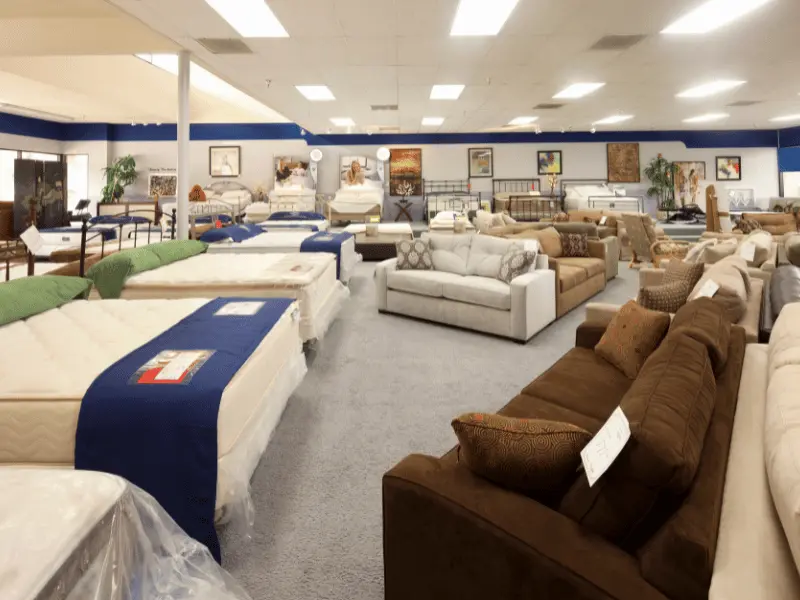
The biggest mistake is starting with furniture instead of a budget.
Before visiting furniture stores or browsing online, decide exactly how much money you can comfortably allocate to furnishing. Keep this amount separate from essential moving costs, rent, deposits, utilities and an emergency fund.
For example, divide your furnishing budget into:
- Essential furniture: 50–60%
- Storage and practical items: 10–15%
- Lighting and window treatments: 10–15%
- Kitchen and household essentials: 10%
- Decor and accessories: 5–10%
- Contingency: 5–10%
These percentages are a planning framework, not a fixed rule. Your priorities will change depending on whether the apartment already includes wardrobes, kitchen appliances, curtains or other fittings.
The important principle is simple: do not spend your entire furnishing budget on the first few large purchases.
Leave room for delivery, installation, unexpected requirements and items you discover you actually need after living in the apartment.
2. Don’t Try to Furnish the Entire Apartment at Once
An empty apartment creates psychological pressure. You see blank walls and empty rooms and want to make everything look finished immediately.
Resist that temptation.
A phased approach usually results in better purchasing decisions because you have time to understand how you actually use each room. Recent first-apartment guidance similarly recommends spreading purchases across the first several weeks or months instead of completing everything immediately.
Phase 1: Make the apartment functional

Buy the things you genuinely need to live comfortably:
- Mattress and bed
- Basic bedding
- Sofa or comfortable seating
- Essential dining surface and chairs
- Basic kitchen equipment
- Bathroom essentials
- Lighting where required
- Cleaning supplies
- Basic storage
Phase 2: Improve functionality
Once you have lived in the apartment for a few weeks, identify what is missing:
- Additional storage
- Bedside tables
- Desk or work area
- Curtains
- Mirrors
- Additional lighting
- Rugs
Phase 3: Add personality

Only after the essentials are working should you spend on:
- Artwork
- Decorative objects
- Accent chairs
- Plants
- Cushions
- Statement lighting
- Decorative shelving
This approach prevents you from spending hundreds or thousands on accessories before you know what your apartment actually needs.
3. Measure the Apartment—and the Route Your Furniture Takes
One of the most expensive furnishing mistakes is buying furniture that technically fits the room but cannot get into the apartment.
Before purchasing anything large, measure:
- Room dimensions
- Door widths and heights
- Hallways
- Staircases
- Lift/elevator dimensions
- Balcony access where relevant
- Ceiling height
- Window positions
- Electrical outlets
- Existing built-in furniture
Then measure the furniture itself.
In Dubai apartments especially, lift, corridor and doorway dimensions can become important when moving large sofas, beds and wardrobes into high-rise buildings. Current Dubai furnishing guides specifically highlight measuring the access route before ordering large pieces.
Don’t forget circulation space
A room can technically accommodate a sofa, coffee table and TV unit while still feeling uncomfortable.
Mark furniture footprints on the floor using painter’s tape before ordering. This gives you a much better understanding of how much usable space will remain.
A cheap measuring tape can prevent an expensive furniture mistake.
4. Make a “Buy Now, Buy Later, Don’t Buy” List
Not everything advertised as an apartment essential is actually essential.
Create three categories.
| Buy Now | Buy Later | Don’t Buy Yet |
|---|---|---|
| Mattress | Coffee table | Decorative objects |
| Bed | Rug | Extra seating |
| Sofa | Side tables | Oversized furniture |
| Basic dining setup | Artwork | Duplicate storage |
| Essential lighting | Plants | Trend-based décor |
| Kitchen basics | Accent pieces | Items without a purpose |
This simple system stops the shopping list from growing uncontrollably.
Ask yourself before every purchase:
“Will this solve a problem I currently have?”
If the answer is no, wait.
5. Spend More on Items You Use Every Day

Saving money does not mean choosing the cheapest version of everything.
In fact, buying the cheapest product can sometimes create more waste if it breaks, becomes uncomfortable or needs replacing quickly.
Prioritize quality for products that receive daily use, such as:
- Mattress
- Bed frame
- Sofa
- Frequently used dining chairs
- Work chair
- Frequently used storage
- Essential appliances
On the other hand, decorative accessories are easier places to save.
A simple sofa with good construction can be a better investment than an expensive statement sofa that you will want to replace when your style changes.
The principle is buy fewer, better pieces where durability matters.
6. Choose Furniture That Can Do More Than One Job
Multifunctional furniture is particularly valuable in studios and smaller apartments.
Instead of buying five separate pieces, look for furniture that performs multiple functions.
Examples include:
- Storage ottoman = seating + storage
- Sofa bed = sofa + guest bed
- Bed with drawers = sleeping + storage
- Extendable dining table = everyday table + entertaining table
- Console table = entryway surface + occasional workspace
- Bookcase = storage + room divider
Every piece should earn its space.
This does not mean buying gimmicky furniture. Choose multifunctionality when it genuinely matches how you live.
7. Don’t Buy Complete Furniture Sets Just Because They’re Convenient
A complete bedroom or living-room set can seem like an easy solution. However, buying everything together can lock you into one style, finish and scale.
Instead, consider purchasing important pieces individually.
For example, you might choose:
- A quality bed frame
- A simple neutral dresser
- Different but complementary bedside tables
- A separate mirror
This gives you more flexibility as your style develops.
It also reduces the risk of buying unnecessary pieces simply because they are included in a package.
8. Be Careful With Second-Hand Furniture

Second-hand furniture can save a substantial amount of money, but not every used item is a bargain.
Inspect furniture carefully before buying.
For upholstered pieces, check:
- Seams and cushions
- Odours
- Stains
- Signs of pests
- Frame condition
- Sagging
- Broken springs
- Pet damage
For wooden furniture, check:
- Warping
- Cracks
- Loose joints
- Water damage
- Wood-boring insect damage
- Structural stability
Mattresses, pillows and certain upholstered items deserve particular caution. For hygiene and pest-control reasons, many buyers are better off purchasing mattresses and bedding new.
When buying from online marketplaces, compare similar listings and consider the complete cost of collecting, transporting, cleaning and repairing the item.
A AED 300 sofa is not necessarily a bargain if transportation and repairs add another AED 400.
9. Don’t Confuse a Discount With a Good Deal
“50% off” does not automatically mean you are saving money.
Before buying discounted furniture, ask:
- Did I actually need this item?
- Does it fit my space?
- Is the quality appropriate?
- Would I buy it at the normal price?
- Does it work with furniture I already own?
If the answer to several questions is no, the discount is irrelevant.
A product you did not need for AED 500 is still AED 500 spent unnecessarily.
10. Avoid Furniture Debt and Impulse Financing
One of the most important ways to avoid wasting money is to understand the true cost of financing.
Monthly payments can make expensive furniture appear affordable because your attention shifts from the total price to the monthly amount.
Before using financing, understand:
- Total repayment amount
- Interest or profit rate
- Processing fees
- Late-payment charges
- Early-settlement terms
- Whether promotional rates expire
If financing is the only reason you can afford an item, consider whether you should postpone the purchase.
For non-essential furniture, waiting and saving can be financially safer than committing to a payment schedule.
11. Avoid Buying Furniture Before You Understand Your Lifestyle
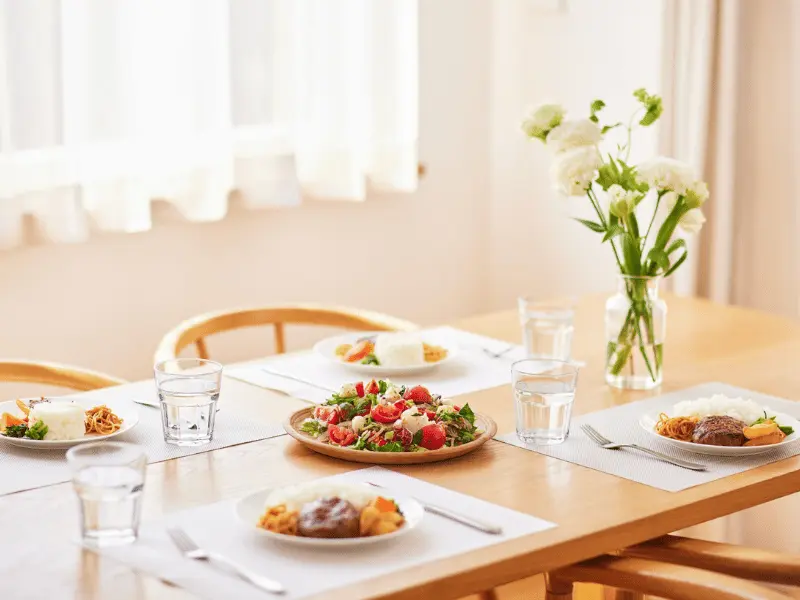
Your apartment should support the way you actually live.
If you rarely eat at a dining table, you may not need a large six-seater dining set.
If you work from home, a comfortable desk and chair may deserve more of your budget than decorative furniture.
If you frequently host guests, flexible seating may be more useful.
If you travel regularly, investing heavily in permanent furniture may not make sense.
Think about your routines first, then buy accordingly.
12. Don’t Forget Hidden Costs
The price displayed on a furniture listing may not be your final cost.
Create a complete purchase cost that includes:
Furniture price + delivery + assembly + installation + accessories + modifications + disposal
This is especially important for large furniture and custom-made pieces.
For example, a wardrobe may require installation, internal accessories or modifications to suit the available space.
With custom joinery, request a detailed quotation that clearly explains materials, finishes, hardware, dimensions, installation and any exclusions before approving the work.
A clear specification makes it easier to compare quotations fairly.
13. Use Custom Storage Where It Solves a Real Problem
Custom furniture is not automatically the cheapest option, so it should be used strategically.
However, a well-designed built-in wardrobe, kitchen or vanity can make better use of difficult spaces than multiple freestanding products.
Custom joinery can be particularly useful when you have:
- Awkward corners
- Limited storage
- Full-height walls
- Unusual room dimensions
- Small bedrooms
- Specific wardrobe requirements
- A need to integrate appliances or services
The goal is not to customise everything.
Customise the areas where standard furniture creates wasted space or repeated compromises.
14. Keep Your Main Furniture Neutral
Your first apartment may not be your forever home.
Neutral furniture gives you flexibility if you move, change your décor or simply get tired of a particular trend.
Use larger purchases—such as sofas, beds and dining tables—for timeless shapes and versatile finishes.
Then introduce personality through relatively inexpensive items:
- Cushions
- Throws
- Artwork
- Curtains
- Rugs
- Plants
- Decorative accessories
This makes future updates much cheaper.
15. Follow a 30-60-90 Day Furnishing Plan
A simple timeline can keep spending under control.
First 30 days: Essentials
Focus on sleep, seating, eating, cooking, bathing, cleaning and basic storage.
Days 31–60: Functionality
Add the things that make daily life easier, such as additional storage, lighting, curtains, a work area and rugs.
Days 61–90: Personality
Only now consider decorative upgrades, artwork, accent furniture and statement pieces.
By this stage, you will know what your apartment actually needs.
The Golden Rule: Don’t Furnish an Empty Apartment—Furnish Your Life
The cheapest way to furnish your first apartment is not necessarily to buy the cheapest furniture.
It is to buy less, plan carefully and avoid buying things twice.
Measure before ordering. Prioritise daily-use furniture. Compare the total cost rather than the sticker price. Buy second-hand selectively. Take advantage of genuine sales without being distracted by artificial urgency. Delay decorative purchases until you understand the space. And never feel that every room needs to look finished immediately.
Your first apartment does not need to look like a showroom on move-in day.
A well-planned home that develops gradually is usually more comfortable, more personal and far less expensive than one furnished in a weekend.
Frequently Asked Questions
What should I buy first for my first apartment?
Start with items that make the apartment functional: a mattress and bed, basic bedding, essential seating, basic kitchen equipment, bathroom supplies, lighting and cleaning products. Add decorative and secondary furniture later.
How can I furnish my first apartment cheaply?
Create a total budget, buy in phases, compare prices, consider good-quality second-hand furniture, choose multifunctional pieces and avoid unnecessary décor during the first few weeks.
Is it cheaper to buy furniture sets?
Not necessarily. Sets can be convenient, but they may include pieces you do not need. Compare the complete set price against the cost of buying only the furniture you actually require.
What furniture should I not buy second-hand?
Be particularly cautious with mattresses, pillows and heavily upholstered items because of hygiene and pest concerns. Always inspect used furniture carefully before purchasing.
How do I avoid buying furniture that is too big?
Measure the room and the entire delivery route before ordering. Check doorways, corridors, lifts, staircases and furniture dimensions—not just the room where the item will eventually sit.
Should I buy expensive furniture for my first apartment?
Spend more selectively rather than automatically buying expensive furniture. Prioritise durable, frequently used pieces and save money on decorative items that are easy to replace.
Is custom furniture worth the money?
Custom furniture can be worthwhile when it solves a specific space or storage problem. It is less compelling when standard furniture already fits the room well. Compare the long-term value, storage capacity, materials, installation and durability rather than looking only at the initial price.
Related posts:
 Matching Lifestyles with Glass Wardrobes: Who Should Opt for Them?
 Are mirrored wardrobes a good idea? (Pros and Cons)
 The Right Way to Fix Up a Home for Sale
 The Science of Soundproofing: Best Materials for a Quiet Home
 Best Smart Home Gadgets for 2025: Upgrade Your Living Space
 Transform Your Hallway: Smart Storage and Design Ideas
 Luxury Home Features That Add Real Value to Your Property
 Choosing the Right TV Mount for Your Living Room Setup
 What’s the Best Layout for a Studio Apartment? Expert Tips Inside
 How to Design a Playroom That Actually Works for Your Home
 How to Choose the Perfect Colors for Your Living Room | Room Color Guide
 Working From Home in Dubai? 10 Interior Design Solutions for Noise & Privacy
0 Comments