
At Pinnacle Studios, we’ve walked into hundreds of homes across Dubai—from sprawling villas in Emirates Hills to compact, high-rise apartments in the Marina. While every home is unique, the challenges homeowners face are surprisingly consistent.
Often, we are called in not to start a design from scratch, but to “fix” a space that just doesn’t feel right. Usually, the issue isn’t a lack of beautiful furniture or expensive finishes; it’s a series of small, avoidable interior design mistakes that disrupt the harmony of the home.
In our experience, great design isn’t just about what you add to a room—it’s about the mistakes you leave out. In this guide, we’ll share the most common pitfalls we see in the modern home UAE and, more importantly, how you can avoid them.
-
Misjudging Scale and Proportion
This is arguably the most frequent error we encounter. Most clients come to us with a vision board full of grand furniture, but they haven’t accounted for the actual square footage of their living room.
The “Oversized” Trap
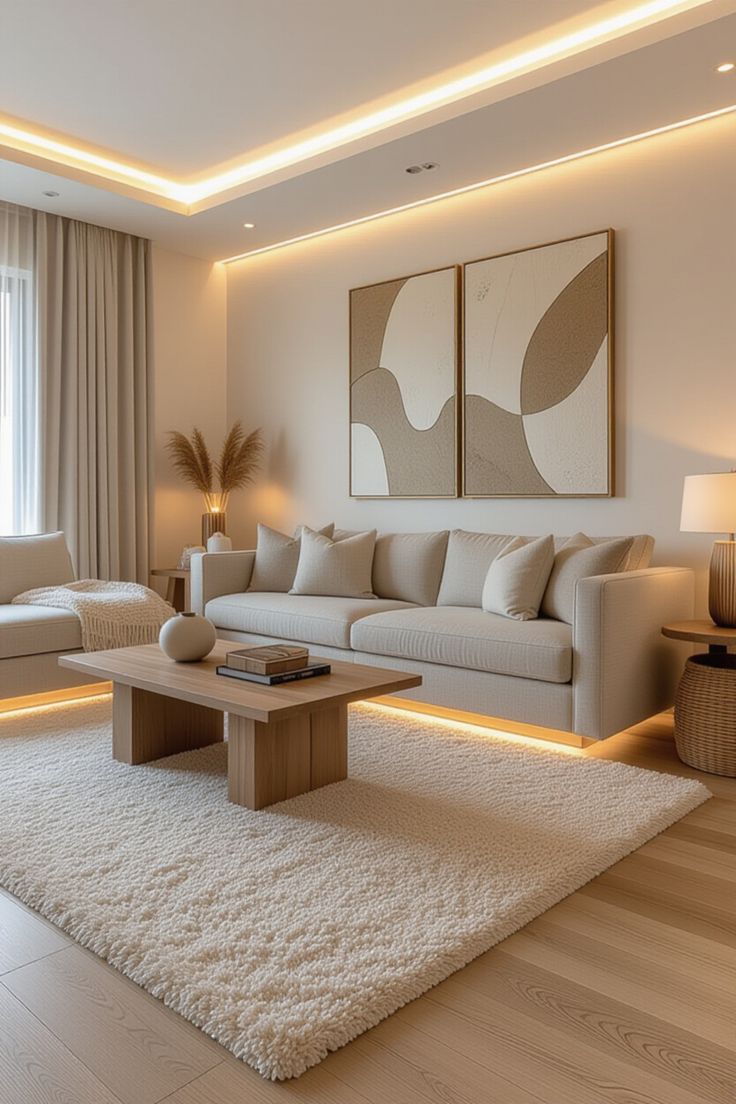
In large Dubai villas, we often see “island furniture”—a tiny rug and a small sofa floating in a massive room, making the space feel cold and cavernous. Conversely, in apartments, we see “wall-to-wall furniture,” where a massive sectional sofa leaves no room for walkways.
Our Advice: Always measure twice and shop once. We usually recommend “blue-taping” the floor. Use painter’s tape to mark out the dimensions of that new sofa or dining table on your actual floor. If you find yourself squeezing past the tape to get to the balcony, the piece is too big.
-
The “Showroom” Effect: Lack of Personality
It’s easy to walk into a high-end furniture store in Al Quoz and buy the entire “look” straight off the floor. However, we often see that this leads to a home that feels like a hotel—polished, but completely devoid of soul.
A modern home UAE should reflect the people living in it. When everything is perfectly matched (the same wood tone, the same fabric, the same metal finish), the room feels flat.
How to avoid it: * Mix, don’t match: Pair a sleek modern dining table with vintage-inspired chairs.
- Layer textures: If you have a leather sofa, add a chunky knit throw or a linen cushion.
- Personalize: We always recommend incorporating items that tell a story—travel finds, family heirlooms, or custom-built pieces.
Speaking of custom pieces, many homeowners struggle with whether to buy off-the-shelf or go bespoke. If you’re trying to maximize a specific nook or awkward wall, you might find our comparison of custom wardrobes vs. ready-made helpful for deciding where to invest your budget.
-
Neglecting the “Lighting Layers”
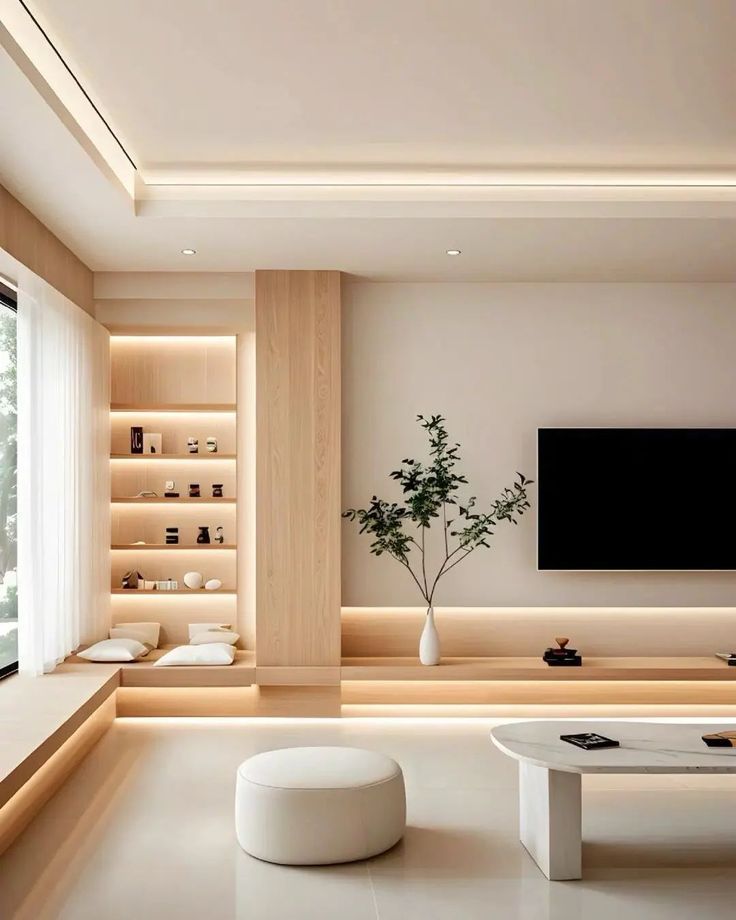
In Dubai, we are blessed with intense natural light, but many homeowners rely solely on harsh, recessed ceiling “pot lights” once the sun goes down. This is one of the biggest decorating errors because it flattens the room and creates unflattering shadows.
We usually recommend a three-layer approach to lighting:
- Ambient: The general overhead light (keep this on a dimmer!).
- Task: Focused light for reading, cooking, or working.
- Accent: Lighting that highlights art, plants, or architectural features.
Pro Tip: Avoid “cool white” bulbs in living areas. They can make a beautiful home feel like a clinical pharmacy. Stick to “warm white” (around 2700K to 3000K) to create an inviting evening atmosphere.
-
Pushing All Furniture Against the Walls
This sounds simple, but it’s a habit that is hard to break. Many people believe that pushing furniture against the perimeter makes a room look larger. In reality, it often creates a “waiting room” vibe with a big, empty dead-zone in the middle.
In our experience, “floating” the furniture—even just six inches away from the wall—creates a sense of flow and airiness. In open-plan layouts, using the back of a sofa to define the living area versus the dining area is a much more sophisticated way to organize the space.
-
Choosing Aesthetics Over the Dubai Climate
We often see clients fall in love with “European-style” designs that aren’t practical for the UAE. For example, heavy velvet drapes might look cozy in London, but in Dubai, they can trap dust and feel oppressive during the summer months.
Common Mistakes to Avoid:
- Ignoring the Sun: Placing a television directly opposite a floor-to-ceiling window without proper blackout solutions will make daytime viewing impossible.
- Delicate Fabrics: Some delicate silks or low-grade plastics can actually fade or become brittle due to the intense UV rays we get here.
- Dust Management: Ornate carvings and open shelving look great but require constant maintenance in a dusty environment.
-
The Rug Size Mistake
A rug that is too small is the fastest way to make an expensive room look “cheap.” We often see “postage stamp” rugs—small 1.5m x 2m pieces sitting under a coffee table, with all the other furniture legs touching the bare floor.
The Rule of Thumb: At a minimum, the front legs of all your seating (sofas and armchairs) should sit on the rug. Ideally, the rug should be large enough that all furniture legs stay on it. This “anchors” the room and makes the seating area feel like a unified zone.
-
Over-Designing (The “Clutter” Mistake)
In the world of luxury interior finishes, it’s easy to keep adding. A feature wall here, a crystal chandelier there, a patterned rug, and gold accents. When every element is fighting for attention, nothing stands out.
One of the best home design tips we give our clients is to choose one “hero” per room. If you have a bold, patterned wallpaper, keep the furniture neutral. If you have a massive, sculptural dining table, keep the wall art minimal. Give your design room to breathe.
Final Thoughts: Designing with Intention
Most interior design mistakes happen because of a lack of planning. It’s the result of buying items individually without considering the “big picture.”
At Pinnacle Studios, we always tell our clients: your home should work for your lifestyle, not the other way around. Don’t be afraid of empty space, don’t be afraid to mix styles, and most importantly, don’t rush the process. A well-designed home is a marathon, not a sprint.
Related posts:
 Choosing the right type of decor style for your home
 Are mirrored wardrobes a good idea? (Pros and Cons)
 Optimize Your Space with Sloped Ceiling Wardrobe
 11 Fabulous Built-In Wardrobe Ideas You Shouldn’t Miss
 The Right Way to Fix Up a Home for Sale
 The Science of Soundproofing: Best Materials for a Quiet Home
 What’s the Best Layout for a Studio Apartment? Expert Tips Inside
 Outdoor Furniture for Small Balconies: Big Style in Compact Spaces
 Soundproofing Solutions for a Quieter Home
 Wall Cladding vs. Paint: Which Is Right for Your Home?
 The Rise of Minimal Luxury: Designing with Less, Living with More
 How to Choose the Perfect Colors for Your Living Room | Room Color Guide
0 Comments