
Your home’s interior design defines how you feel, live, move, and connect with your environment. But with so many different interior design styles available, one question appears everywhere in search engines:
Modern vs Classic Interior Design — which is right for you?
As an interior design company, interior design firm, or even a homeowner exploring possibilities, understanding the differences between modern and traditional interior design is essential.
What Is Classic (Traditional) Interior Design?
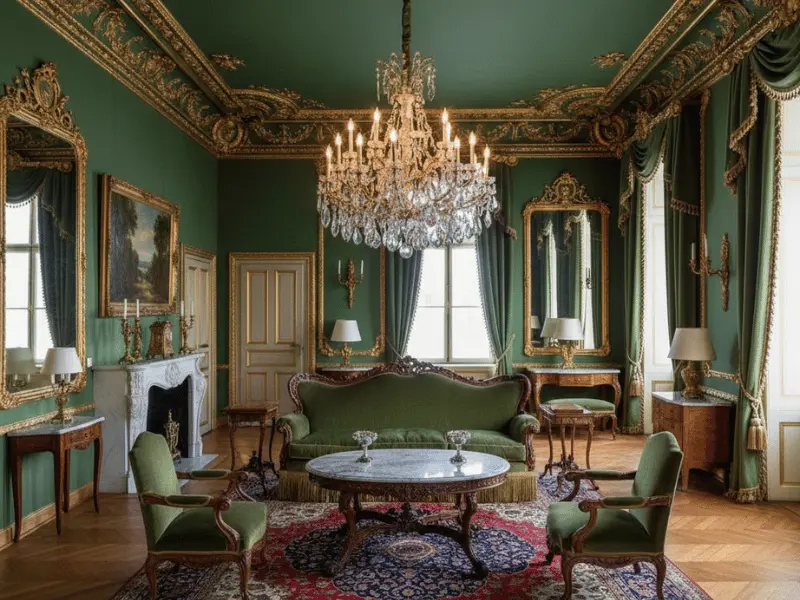
Classic interior design, often called traditional interior design, reflects European influences from the 17th–19th centuries. It’s elegant, rich, ornate, warm, and full of character.
This style is popular among homeowners who value depth, craftsmanship, and a sense of timeless luxury.
Defining Features of Classic/Traditional Interior Design
1. A Warm, Regal Color Palette
Classic interiors often include:
- Burgundy
- Emerald green
- Navy
- Terracotta
- Brown + deep wood tones
- Gold, bronze & brass elements
This palette creates richness and depth.
2. Architectural Detailing
- Crown molding
- Wall paneling
- Wainscoting
- Archways
- Detailed ceilings
- Ornate trims
3.Luxury Materials & Textures
Classic interiors often feature:
- Velvet
- Silk
- Brocade
- Heavy drapery
- Persian rugs
- Marble
- Carved hardwood furniture
These textures add warmth and historical charm.
4. Furniture with Character
Furniture is a focal point, not an accessory.
Examples:
✔ Tufted sofas
✔ Carved wooden beds
✔ Curved legs and armrests
✔ Antique or antique-inspired pieces
✔ Decorative sideboards
5. Balanced, Symmetrical Layouts
A classic room often has:
- Matching chairs
- Two identical lamps
- Mirrored décor pieces
- A centered chandelier
This symmetry creates harmony and formality.
Where Classic Interior Design Works Best
Classic design thrives in:
- Large villas
- Traditional homes
- High-ceiling layouts
- Luxury apartments
- Homes with existing trims
- Hospitality spaces (boutique hotels, palaces)
Classic interiors need space to showcase their beauty.
What Is Modern Interior Design?
Modern interior design is clean, simple, minimal, and highly functional. It emerged in the early 20th century from modernist and Bauhaus influences.
The goal: form follows function — no unnecessary decoration, only purposeful design.
Key Elements of Modern Interior Design
1. A Light, Neutral Color Scheme
Typical palette includes:
- White
- Gray
- Black
- Beige
- Sand
- Stone
- Muted greens + blues
This creates calmness and visual spaciousness.
2. Minimalist Approach
Modern interiors avoid clutter and prioritize:
- Smooth surfaces
- Clean lines
- Hidden storage
- Streamlined furniture
3. Open Floor Concepts
 Walls are minimized to connect:
- Living area
- Dining
- Kitchen
This improves movement and visibility.
4. Modern Materials
Modern interiors often use:
- Glass
- Steel
- Concrete
- Light oak
- Leather
- Linen
- Microcement finishes
These materials bring sleekness and practicality.
5. Natural & Artificial Lighting Techniques
To enhance spaciousness, modern design uses:
- Large windows
- Skylights
- Slim-profile frames
- Recessed lighting
- LED strip lighting
- Pendant fixtures
Where Modern Interior Design Works Best
Modern design is ideal for:
- Apartments
- Urban homes
- Contemporary villas
- Small spaces
- Offices
- Minimalist lovers
Modern vs Classic: Deep-Dive Comparison
| Category | Classic / Traditional Interior Design | Modern Interior Design |
|---|---|---|
| Overall Feel | Elegant, formal, rich | Airy, simple, functional |
| Color Palette | Warm, deep, regal | Light neutrals |
| Furniture | Curved, carved, heavy | Linear, simple, lightweight |
| Materials | Hardwood, velvet, silk | Glass, steel, linen |
| Layout | Symmetric, defined rooms | Open plans |
| Textures | Heavy, patterned | Smooth, minimal |
| Lighting | Chandeliers, sconces | Recessed + natural |
| Maintenance | Higher | Lower |
| Budget | More expensive | Often affordable |
| Best For | Villas, large homes | Apartments, modern buildings |
Which Style Should You Choose? (Expert Framework for Homeowners)
Choosing between modern and classic interior design is not just about aesthetics — it depends on your personality, your lifestyle, your home’s structure, and your day-to-day habits.
Here’s a decision-making guide top interior designers use with clients:
1. Your Daily Lifestyle
✔ Choose Modern If You:
- Have kids or pets
- Prefer easy cleaning
- Want an uncluttered space
- Love open layouts
✔ Choose Classic If You:
- Enjoy traditional luxury
- Value curated décor
- Prefer cozy, warm spaces
- Love displaying sentimental pieces
2. Your Home’s Architecture
Classic Works Better If:
- Your home has trims, arches or columns
- Rooms are spacious
- Ceiling height is high
Modern Works Better If:
- You have straight-line architecture
- Compact rooms
- Minimal structural detailing
- Large windows
3. Your Personal Aesthetic
Ask yourself:
- Do I enjoy visual simplicity or curated richness?
- Am I drawn to minimal shapes or ornate details?
- Do I prefer symmetry or fluidity?
Your emotional preference matters more than trend cycles.
4. Your Budget
Classic = Higher Cost
Due to:
- Custom carpentry
- Heavy furniture
- Expensive materials
- Luxury fabrics
Modern = Cost Efficient
Because:
- Less furniture
- Lightweight materials
- Affordable finishes
Can You Combine Modern & Classic? (Yes — Modern Classic Style Is Trending)
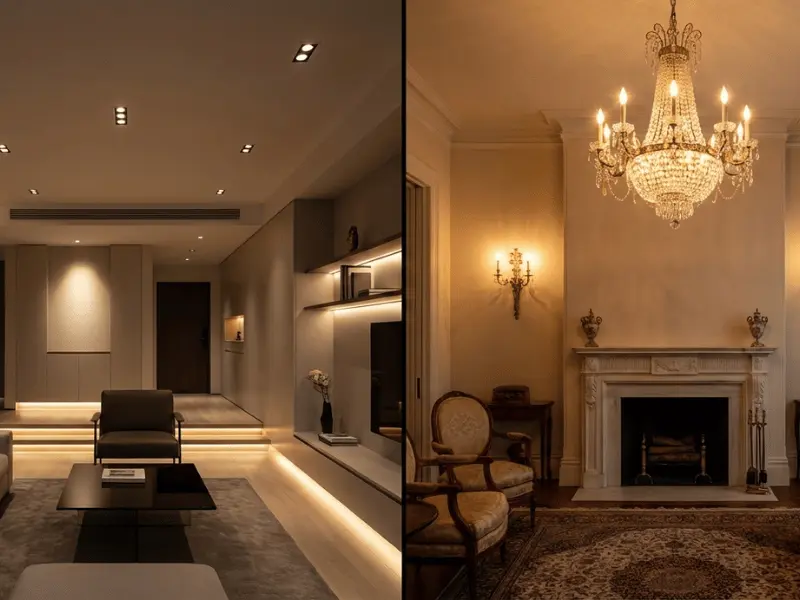
Many interior designers recommend a 70/30 blend:
- 70% modern base
- 30% classic touches
This maintains simplicity while adding richness.
How to Create a Modern Classic Interior
1. Use a modern base (walls + flooring)
Neutral walls + sleek flooring → instant modern backdrop.
2. Add classic accent pieces
- Gold mirrors
- Patterned rugs
- Vintage consoles
3. Mix materials wisely
- Velvet cushions on a modern sofa
- Matte black paired with brass accents
4. Balance ornamentation
Only 1–2 classic elements per room to avoid clutter.
5. Choose statement lighting
A crystal chandelier in a clean modern living room is a showstopper.
Common Mistakes Homeowners Make (and How to Avoid Them)
Mistake 1: Mixing too many design styles
Solution: Stick to 1 primary + 1 secondary style.
Mistake 2: Prioritizing looks over functionality
Solution: Function first, aesthetics second — especially for modern homes.
Mistake 3: Overspending on décor instead of planning
Solution: Invest in layout, lighting, furniture — décor comes last.
Mistake 4: Ignoring scale and proportion
Solution: Choose furniture that matches room dimensions.
Top Recommendations from Professional Interior Designers
Top-rated interior designers often suggest:
- Use light colors in compact spaces
- Add layers in classic interiors
- Keep modern homes clutter-free
- Choose timeless over trendy
- Don’t compromise on lighting
- Custom carpentry ≠ classic only; works beautifully in modern homes too
- Always test samples before finalizing materials
Conclusion: Which Style Should You Choose?
You should choose Modern if you want:
- Minimalism
- Easy maintenance
- Light-filled spaces
- Contemporary luxury
You should choose Classic if you want:
- Warmth
- Timeless elegance
- Luxury detailing
- Character-rich interiors
Or choose a modern-classic hybrid — today’s most in-demand style among homeowners and interior design companies.
Related posts:
 G-Shaped Kitchen Layout
 Choosing the Best Windows for Energy Efficiency
 Interior Design Project Timeline: How Long Does an Interior Design Project Usually Take?
 Make Your a Studio Apartment Feel Like a 2-Bedroom | Smart Design Tricks
 How to Choose the Right Kitchen Backsplash for Your Home
 Improve Lighting in Dark Interiors: Smart, Practical Ways to Brighten Any Space
 Interior Fit-Out vs Renovation in UAE: Costs, Benefits & Tips
 Why Dubai Apartments Get Mould Even With AC On — Interior Design Reasons & Fixes
 Best Flooring Options for Dubai Fit-Outs: SPC vs Porcelain vs Vinyl (2026 Guide)
 How to Achieve Energy Efficient Home Design Dubai: A Complete Guide for 2026
 Why Some Rooms Are Hotter in Dubai Homes: Layout & Design Mistakes
 How to design a kids’ room in Dubai: expert tips for apartment living
0 Comments