
A beautiful interior can make you fall in love with a space at first sight. But if the kitchen has nowhere to store appliances, the sofa blocks the walkway, or the lighting is too harsh for everyday use, that beauty can quickly become frustrating.
On the other hand, a space can be perfectly practical and still feel cold, generic, or uninspiring.
So, when it comes to functional vs aesthetic interior design, which matters more?
The answer is neither.
The best interior design combines function and aesthetics so naturally that you barely notice where one ends and the other begins.
Function determines how comfortably a space works. Aesthetics determine how it looks and feels. When both are considered from the beginning, an interior becomes easier to live in, easier to maintain and more enjoyable to experience.
For homes in Dubai and across the UAE, this balance is particularly important. Space constraints, strong sunlight, dust, climate, lifestyle requirements and the demand for refined interiors all influence how a space should be designed.
What Is Functional Interior Design?
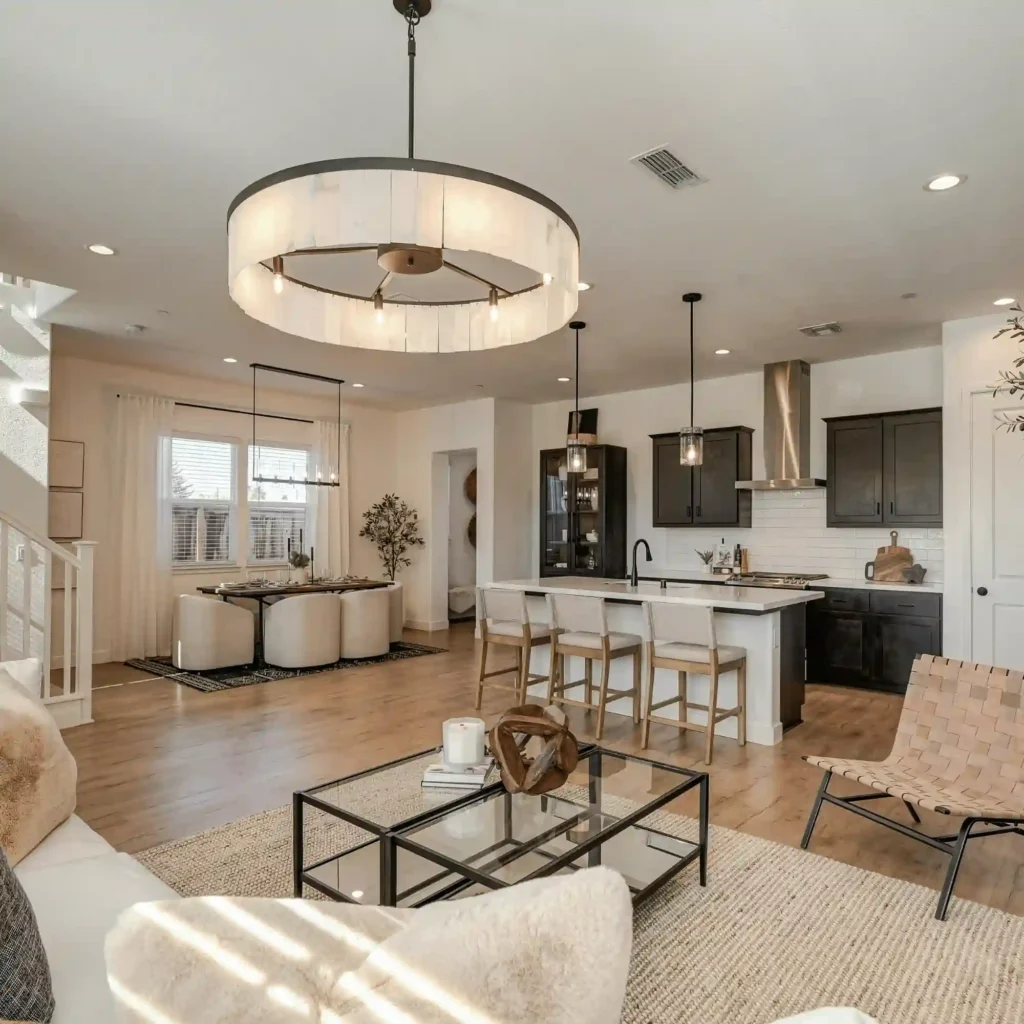
Functional interior design focuses on how effectively a space supports the people using it.
It considers questions such as:
- Can people move around comfortably?
- Is there enough storage?
- Does the furniture fit the room?
- Is lighting appropriate for different activities?
- Are electrical points positioned conveniently?
- Are materials practical and durable?
- Is the space easy to clean and maintain?
- Can the room adapt to changing needs?
Functionality is not about making a room look basic. It is about making every design decision serve a purpose.
A well-designed wardrobe, for example, is not simply a beautiful wall feature. It should provide the right combination of hanging space, drawers, shelves and accessibility for the person using it.
Likewise, a kitchen should not only have attractive cabinets and countertops. The layout should support preparation, cooking, storage and cleaning without unnecessary movement.
Key Elements of Functional Interior Design
Functional interiors typically consider:
- Space planning
- Circulation
- Ergonomics
- Storage
- Lighting
- Ventilation
- Furniture proportions
- Accessibility
- Durability
- Maintenance
- Technology integration
These details may not always be immediately visible, but they have a major impact on everyday comfort.
What Is Aesthetic Interior Design?
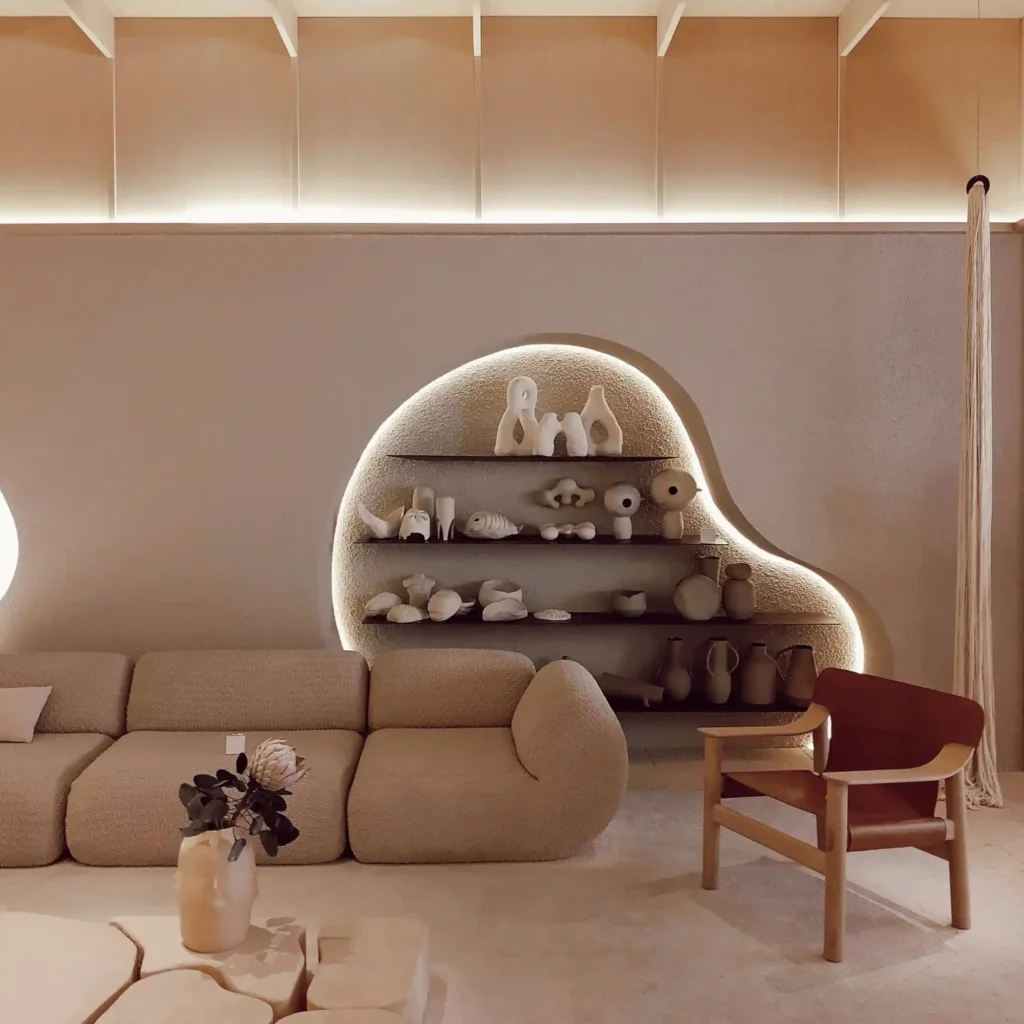
Aesthetic interior design focuses on the visual and emotional experience of a space.
It includes:
- Colour palettes
- Materials
- Textures
- Furniture styles
- Lighting atmosphere
- Decorative elements
- Patterns
- Architectural details
- Art and accessories
- Proportion and visual balance
Aesthetics give an interior its personality.
Two apartments can have exactly the same floor area and similar layouts but feel completely different because of their material choices, lighting, colours and furniture.
A warm palette of natural wood, textured fabrics and soft lighting can create a calm atmosphere. Marble, metal, statement lighting and refined finishes can create a more luxurious impression.
Good aesthetics should not simply make a room look impressive in photographs. They should contribute to how people experience the space.
Functional vs Aesthetic Interior Design: What’s the Difference?
The simplest way to understand the difference is:
Function asks: “How does this space work?”
Aesthetics asks: “How does this space look and feel?”
| Functional Design | Aesthetic Design |
|---|---|
| Focuses on usability | Focuses on visual appeal |
| Prioritises circulation | Prioritises composition |
| Considers storage | Considers styling |
| Focuses on comfort | Focuses on atmosphere |
| Considers durability | Considers materials and finishes |
| Plans lighting for activities | Uses lighting to create mood |
| Solves practical problems | Creates visual identity |
But treating them as two completely separate areas is a mistake.
The most successful interiors allow one to improve the other.
Why You Shouldn’t Choose Function Over Beauty
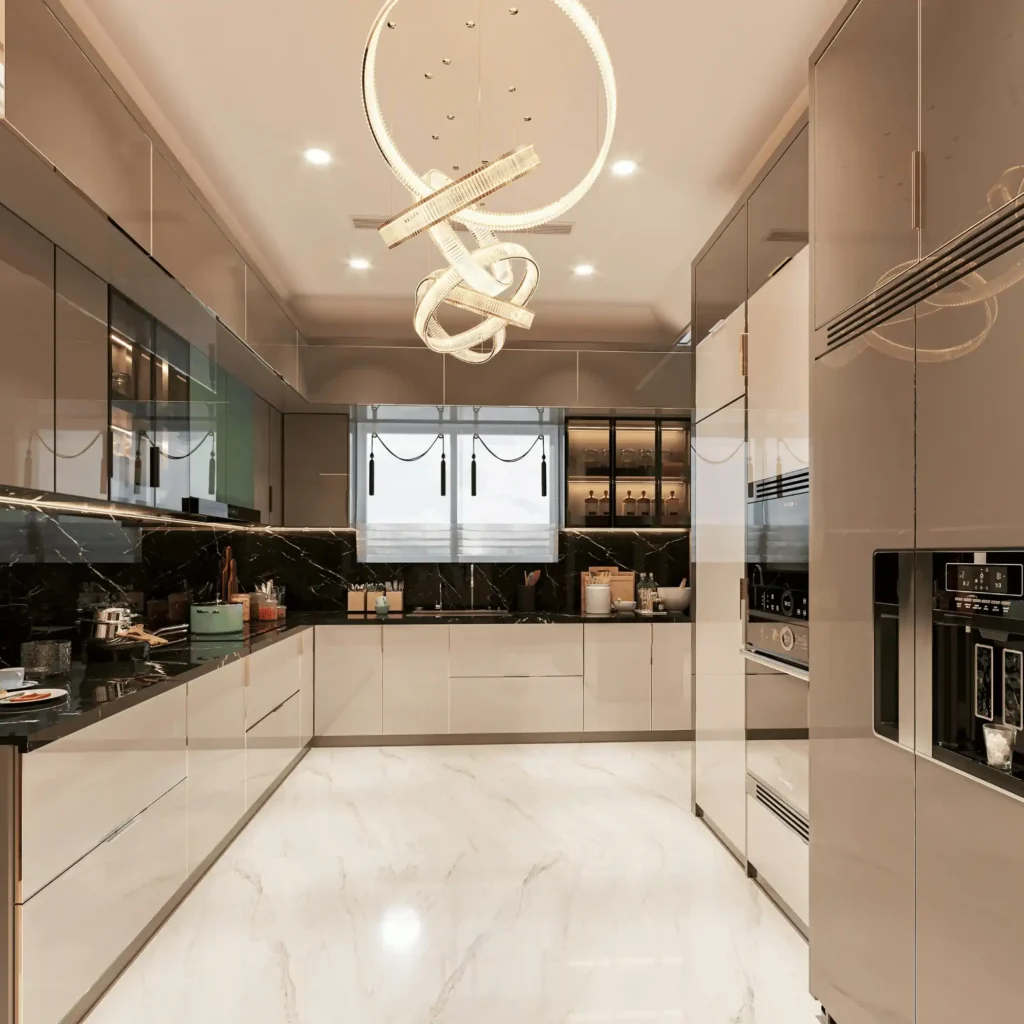
Imagine a kitchen with excellent storage, generous work surfaces and an efficient layout—but uninspiring finishes, poor lighting and no visual character.
It works.
But you may not enjoy spending time there.
Now imagine the opposite: a stunning kitchen with expensive marble, designer pendant lights and beautiful cabinetry, but limited storage and an awkward work triangle.
It looks impressive.
But everyday cooking becomes inconvenient.
Good interior design avoids both extremes.
The objective is not to divide the design budget equally between function and aesthetics. Instead, every major decision should be evaluated for both.
For example, a kitchen cabinet can provide storage while contributing to the visual composition of the room. A wardrobe can maximise storage while becoming an elegant feature wall. Lighting can illuminate a workspace while creating atmosphere.
This is where thoughtful design makes the difference.
How Functionality Can Make an Interior More Beautiful
One of the most overlooked ideas in interior design is that functionality itself can create visual beauty.
Consider a cluttered living room.
There may be beautiful furniture, expensive accessories and attractive finishes, but the room still looks disorganised.
Add intelligently planned storage.
Suddenly, surfaces become clearer. Furniture becomes more visible. The room feels larger and calmer.
The storage did not simply solve a practical problem. It improved the aesthetics.
The same principle applies to:
- Concealed electrical wiring
- Integrated appliances
- Built-in wardrobes
- Hidden storage
- Flush cabinetry
- Well-planned lighting
- Clean circulation paths
- Proper furniture proportions
When practical elements are integrated into the design instead of added as an afterthought, the interior often looks more refined.
How Aesthetics Can Improve Functionality
The relationship works in the opposite direction too.
Aesthetic decisions can improve how a space is experienced.
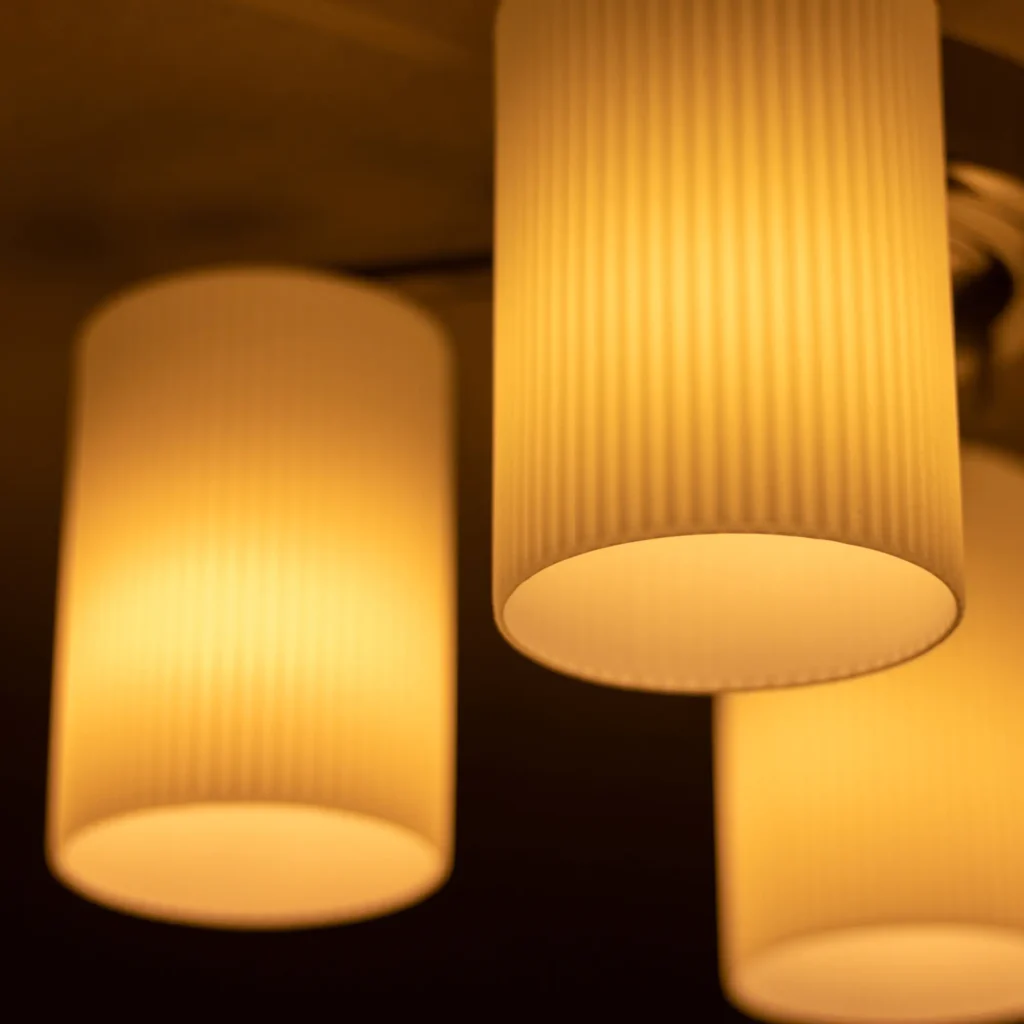
For example, carefully positioned mirrors can enhance the sense of space. Layered lighting can make a room more comfortable at different times of day. A carefully selected colour palette can visually distinguish different zones in an open-plan layout.
Material choices can also influence functionality.
A durable, easy-to-maintain surface can be visually attractive while reducing maintenance. Acoustic finishes can contribute texture while improving sound comfort.
The goal is to select design elements that perform more than one role.
Room-by-Room: Balancing Function and Aesthetics
The balance between function and aesthetics changes depending on the room.
1. Living Room
A living room needs to be comfortable, social and visually inviting.
Functional priorities include:
- Comfortable seating
- Clear circulation
- Appropriate furniture scale
- TV and electrical planning
- Storage
- Flexible seating arrangements
Aesthetic priorities include:
- Colour harmony
- Textures
- Artwork
- Rugs
- Curtains
- Decorative lighting
- A strong focal point
One of the most common mistakes is choosing furniture based entirely on appearance.
A large sectional may look impressive in a showroom but overwhelm a Dubai apartment.
The correct furniture should suit the room’s dimensions, circulation and lifestyle.
2. Kitchen
The kitchen is one of the clearest examples of where function and aesthetics must work together.
An attractive kitchen still needs:
- Efficient workflow
- Adequate storage
- Practical countertop space
- Appliance integration
- Appropriate lighting
- Easy cleaning
- Good ventilation
At the same time, cabinetry, countertops, handles, splashbacks, lighting and flooring determine the overall visual character.
For Dubai homes, kitchen design should also consider the way the household actually cooks and uses the space.
An open kitchen may look elegant, but the layout, ventilation and storage need to support real daily use.
Pinnacle’s approach to kitchen design reflects this principle: the kitchen needs to combine practicality with a refined visual experience rather than treating them as separate priorities.
3. Bedroom
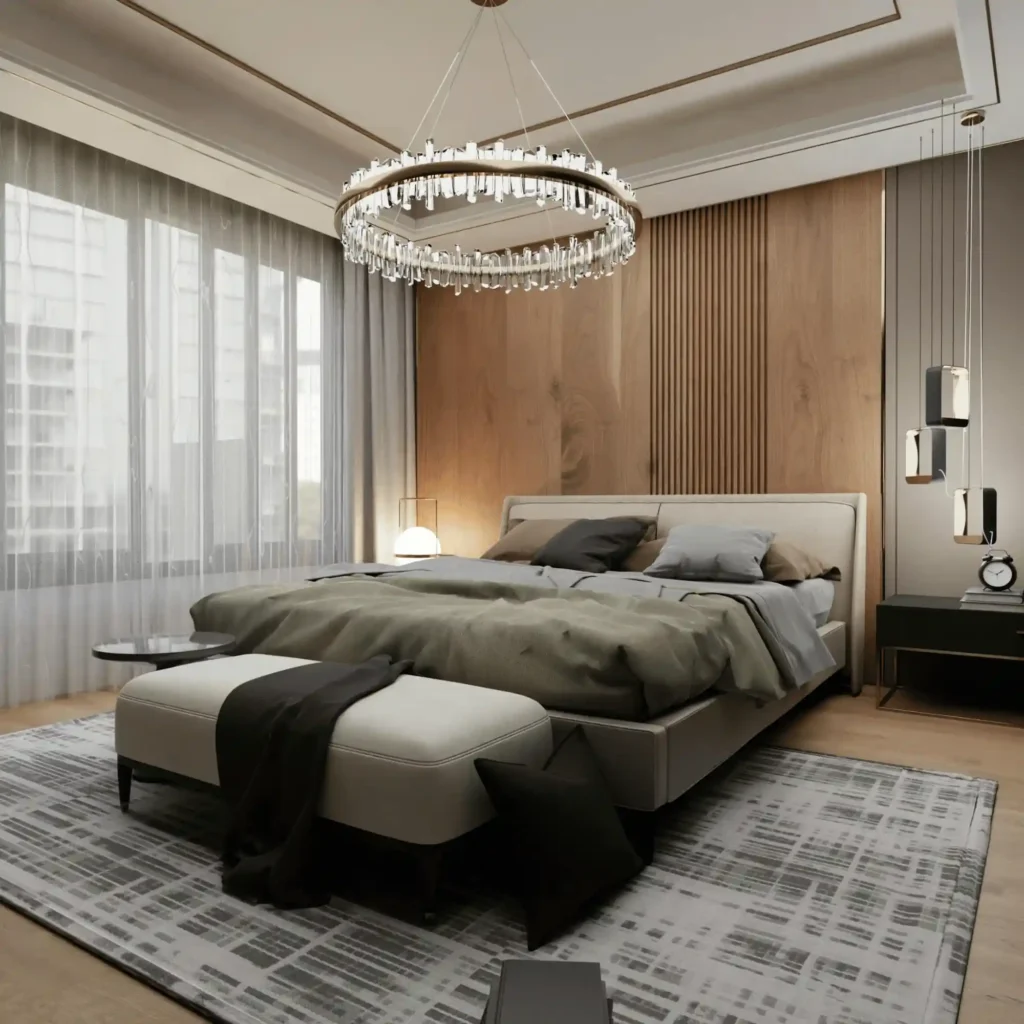
Bedrooms should feel calm while providing everything needed for everyday routines.
Functionality includes:
- Comfortable bed positioning
- Wardrobe capacity
- Bedside storage
- Reading lighting
- Charging points
- Privacy
- Easy circulation
Aesthetics can come from:
- Soft colours
- Upholstered elements
- Natural materials
- Layered lighting
- Textiles
- Custom joinery
- Decorative details
A well-designed bedroom should feel restful rather than overcrowded.
4. Bathroom
Bathrooms demonstrate why material selection matters.
A beautiful bathroom still needs:
- Adequate storage
- Comfortable circulation
- Proper lighting
- Easy-clean surfaces
- Moisture-resistant materials
- Practical vanity design
- Appropriate ventilation
Luxury should not mean selecting a material simply because it looks expensive.
The better question is:
Will this material continue to look good after years of everyday use?
That is where aesthetics and performance meet.
5. Home Office
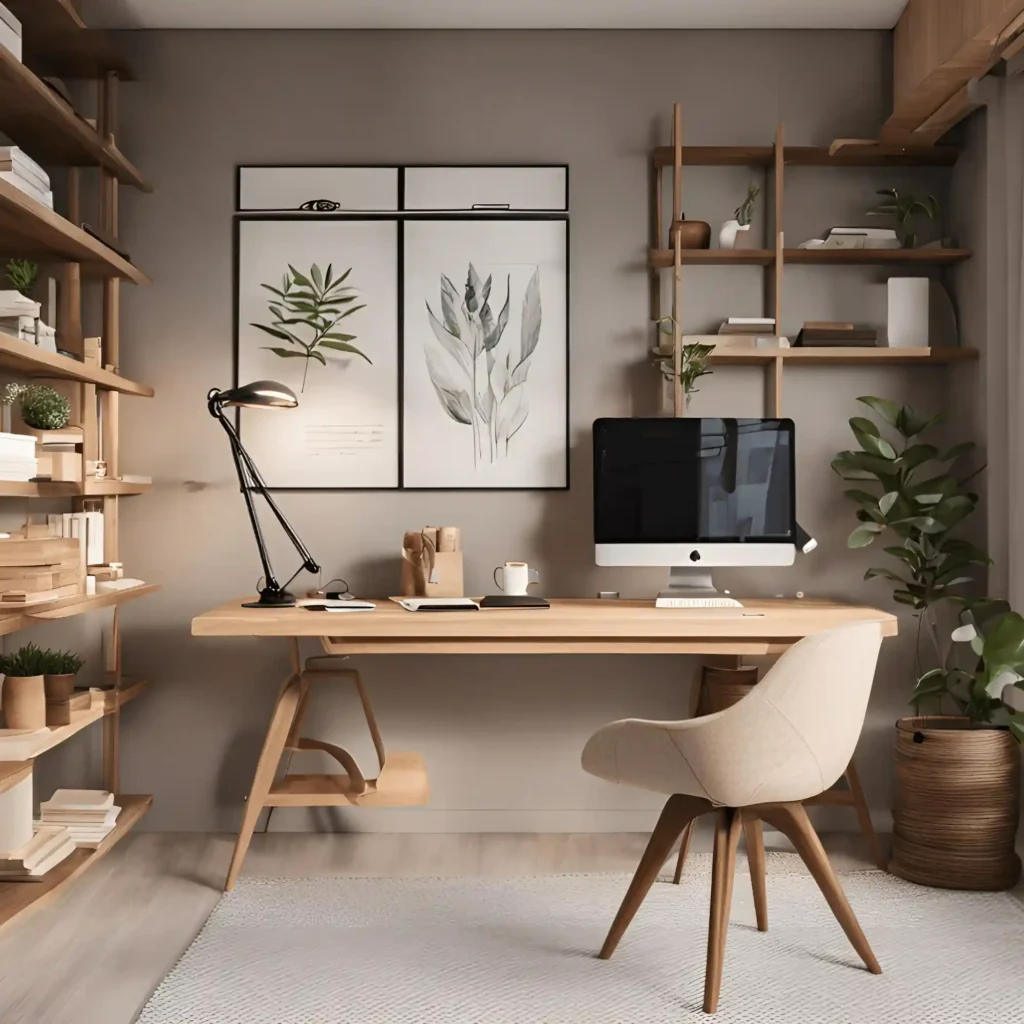
For a home office, functionality becomes especially important.
The space should support:
- Comfortable working posture
- Appropriate desk dimensions
- Task lighting
- Storage
- Cable management
- Video calls
- Concentration
Aesthetically, the office can still reflect the homeowner’s personality through colour, artwork, furniture and materials.
The result should feel like part of the home rather than an improvised workstation.
Lighting: Where Function and Aesthetics Meet
Lighting may be one of the best examples of functional and aesthetic interior design working together.
A room can have beautiful furniture and finishes but still feel uncomfortable if the lighting is poorly planned.
A complete lighting strategy may combine:
Ambient lighting
Provides general illumination.
Task lighting
Supports activities such as cooking, reading, working or applying makeup.
Accent lighting
Highlights artwork, architectural features, materials or decorative elements.
Decorative lighting
Adds visual character through pendants, chandeliers, wall lights or statement fixtures.
Instead of relying on one central light source, layering different types of lighting can make an interior more functional while adding depth and atmosphere.
Pinnacle’s own lighting guidance similarly treats lighting as an integral part of interior design rather than a final decorative addition.
Storage: The Hidden Link Between Function and Beauty
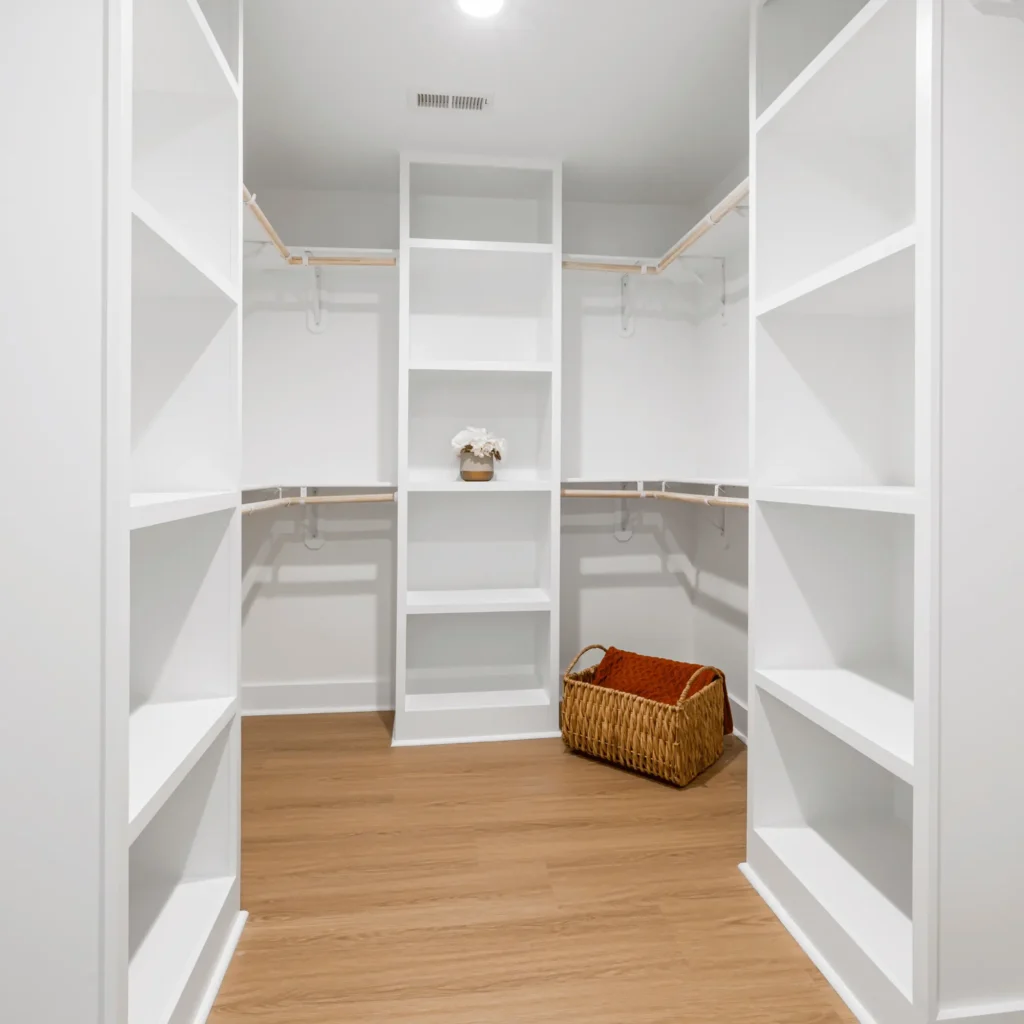
Storage is one of the clearest examples of why functionality affects aesthetics.
Insufficient storage often leads to:
- Cluttered surfaces
- Overcrowded rooms
- Visible appliances
- Disorganised wardrobes
- Reduced visual calm
Well-designed storage solves these problems without necessarily making the room feel more utilitarian.
Built-in wardrobes, concealed cabinets, floating storage and custom joinery can provide substantial capacity while maintaining a clean visual language.
This is particularly valuable in Dubai apartments, where every square metre may need to perform more than one function.
Pinnacle already approaches wardrobe design around this combination of storage efficiency and visual integration, making it an important part of a balanced interior strategy.
Materials: Don’t Choose Beauty Without Considering Performance
Materials influence both the appearance and the long-term performance of an interior.
When choosing a finish, consider:
- Durability
- Cleaning requirements
- Moisture resistance
- UV exposure
- Scratch resistance
- Maintenance
- Expected level of use
- Overall aesthetic
A material that looks beautiful on installation day is not necessarily the best choice for a busy household.
For UAE interiors, this consideration becomes even more important because strong sunlight, dust, air conditioning and frequent cleaning can influence how finishes perform over time.
The best material is often the one that looks good and continues to look good after years of use.
Why Scale and Proportion Matter
A room can contain beautiful furniture and still feel wrong.
The problem is often scale.
Oversized furniture in a compact apartment can restrict movement. Tiny furniture in a large villa can make the room feel empty and disconnected.
Before selecting furniture, consider:
- Room dimensions
- Ceiling height
- Door openings
- Window positions
- Walking routes
- Furniture-to-furniture spacing
- Visual proportion
Pinnacle has highlighted scale and proportion as one of the most common interior design mistakes in Dubai homes, particularly when homeowners select furniture based on appearance without considering the actual room dimensions.
7 Principles for Balancing Function and Aesthetics
If you’re planning an interior, these principles can help.
1. Start with how you live
Before selecting colours or furniture, understand the daily routine.
Ask:
- Who uses the space?
- How often?
- For what activities?
- What needs to be stored?
- What causes frustration today?
Design should solve real problems.
2. Plan the layout first
Furniture and finishes cannot fix a fundamentally poor layout.
Establish circulation, zoning and furniture placement before finalising decorative details.
3. Give every major element a purpose
A design element should ideally contribute to at least one of three things:
Function. Experience. Beauty.
The strongest elements often contribute to all three.
4. Use concealed solutions where appropriate
Integrated storage, hidden cables and built-in appliances can reduce visual clutter without sacrificing practicality.
5. Layer lighting
Don’t expect one ceiling fixture to do everything.
Combine ambient, task and accent lighting where appropriate.
6. Choose materials for real life
Think beyond the showroom.
Ask how a material will perform after one year, five years and ten years of everyday use.
7. Leave breathing room
Not every wall needs furniture. Not every surface needs decoration.
Negative space can improve circulation and make important design elements more noticeable.
Function First or Aesthetics First?
So, which should come first?
In most projects, function should establish the foundation while aesthetics shape the experience.
That does not mean designing a completely practical room and decorating it later.
Instead, both should be considered together from the beginning.
For example, when designing a wardrobe, the internal storage requirements should be established before the external finishes are selected.
When designing a kitchen, workflow and appliance requirements should influence the layout before decorative elements are finalised.
When planning lighting, task requirements should be considered alongside the desired atmosphere.
This integrated approach prevents a common problem: trying to make an impractical design functional after the aesthetic decisions have already been locked in.
Final Thoughts
The debate between functional vs aesthetic interior design is ultimately based on a false choice.
Function and aesthetics are not competing priorities. They are two parts of the same design process.
A functional interior without visual character can feel sterile. An aesthetic interior without functionality can become frustrating.
The best spaces bring the two together.
From the layout of a kitchen to the storage inside a wardrobe, from the position of a sofa to the colour temperature of a light, successful interior design considers both how a space works and how it feels.
For homeowners in Dubai and across the UAE, that balance is even more important. The right design needs to respond to lifestyle, available space, climate, maintenance and personal taste while still creating an interior that feels considered and beautiful.
Great interiors don’t make you choose between beauty and practicality. They make practicality part of the beauty.
Related posts:
 How to Choose the Perfect Colors for Your Living Room | Room Color Guide
 Should I Hire an Interior Designer or Do It Myself?
 How to Plan an Interior Design Budget Without Overspending
 How to Choose the Right Bathroom Accessories for a Modern Home
 Top Interior Trends 2026: What’s Shaping UAE Homes This Year
 What Affects Interior Fit-Out Cost in the UAE? 2026 Price Guide
 Top Interior Design Companies in Dubai (2026 Edition)
 Why Your 2BHK Feels Smaller After Furnishing (Designer Layout Breakdown + Fixes)
 How to Design Around Low Ceilings in Older Dubai Apartments (2026 Guide)
 How to Create a Luxury Home Interior Without Overspending
 Where to Buy Budget Interiors in the UAE That Don’t Look Cheap
 Why Your Home Feels Stressful: 12 Interior Design Mistakes That Create Anxiety (and How to Fix Them)
0 Comments