
Smart home technology has become increasingly common in Dubai villas, but installing every available gadget does not necessarily create a better home. The real value comes from choosing systems that solve everyday problems, improve comfort, strengthen security, or make the villa easier to manage.
Dubai’s climate makes some smart features particularly useful. Air conditioning, lighting, water management, shading, security and outdoor spaces all require regular attention in a large villa. When these systems are properly integrated, they can work together with minimal input from the homeowner.
Whether you are building a new villa, renovating an existing property or planning a luxury interior fit-out, the right approach is to start with your lifestyle and the villa’s requirements rather than technology alone.
This guide looks at the smart home ideas for Dubai villas that are actually worth installing, what each system can do, and where you may want to spend your budget.
At a Glance: Smart Home Features Worth Considering
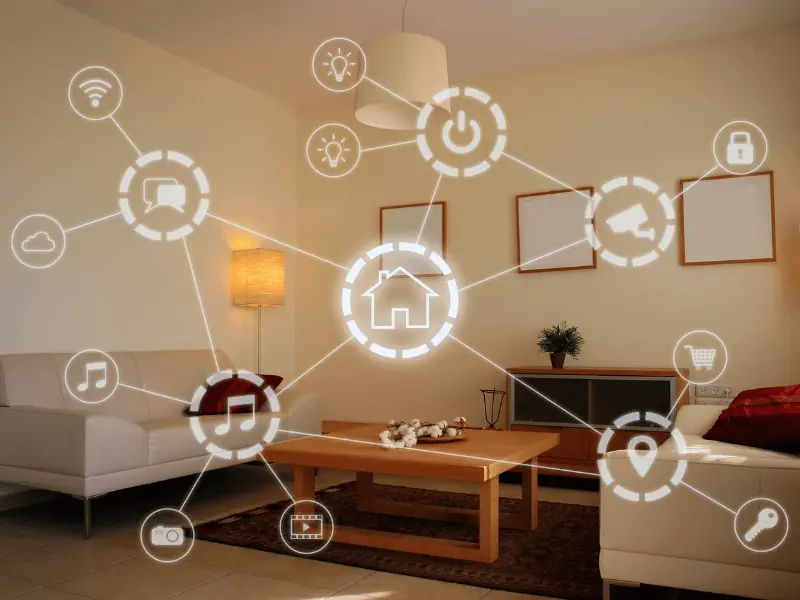
For most Dubai villas, the most practical smart-home investments include:
- Smart climate and AC control
- Intelligent lighting and lighting scenes
- Motorised curtains and blinds
- Smart security and access control
- Water-leak detection
- Smart irrigation
- Energy monitoring
- Reliable whole-villa Wi-Fi
- Centralised smart-home control
- Smart appliances and entertainment, depending on lifestyle
Not every villa needs all of these systems. The best setup is one that is reliable, easy to use and designed around the way the property is occupied.
1. Smart Climate Control: One of the Most Practical Upgrades
For Dubai villas, climate control is not simply a luxury. Air conditioning plays a major role in everyday comfort, particularly during the hotter months.
Smart climate control allows homeowners to manage temperatures by room or zone instead of treating the entire villa as one space.
For example, a system can be configured to:
- Adjust bedroom temperatures before bedtime
- Reduce cooling in unused areas
- Set different temperatures for living and sleeping areas
- Adjust settings when residents leave the property
- Allow remote temperature control through a phone
- Connect AC operation with occupancy sensors or schedules
Is it worth installing?
Yes, particularly in larger villas.
A multi-storey villa with bedrooms, guest areas, living spaces and service areas does not always need every zone operating in exactly the same way. Zoning and automation can make temperature management more convenient while potentially reducing unnecessary cooling.
However, smart controls cannot compensate for poorly designed HVAC systems, inadequate insulation or badly sealed doors and windows. Smart technology should complement good building and interior design rather than replace it.
2. Smart Lighting: High Value for Large Villas
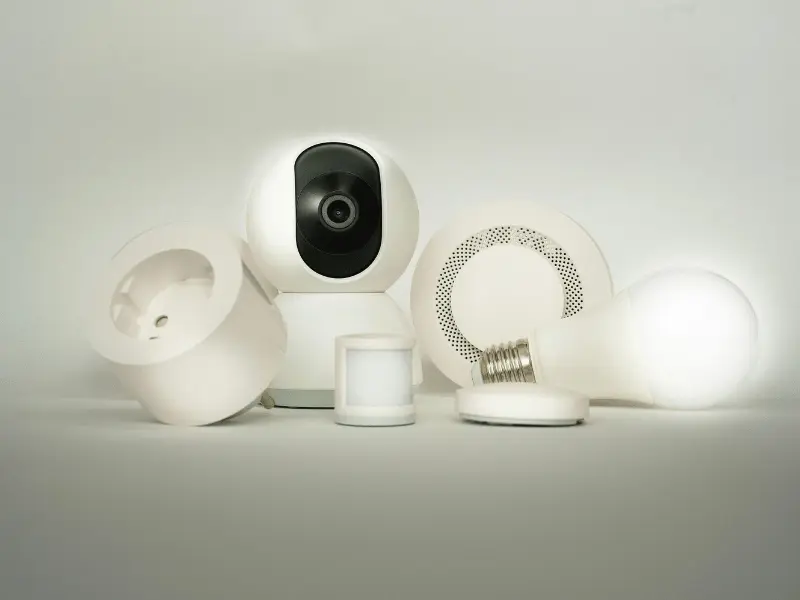
Lighting is another feature where automation can make an immediate difference.
A Dubai villa may have dozens or even hundreds of lighting points across bedrooms, corridors, staircases, bathrooms, gardens, entrances and entertainment areas. Managing all of them manually can quickly become inconvenient.
Smart lighting allows homeowners to create scenes such as:
Morning Mode: selected lights switch on gradually.
Entertaining Mode: feature lighting and decorative lights create a warmer atmosphere.
Movie Mode: lights dim while curtains close.
Night Mode: unnecessary lights switch off while selected pathway lighting remains active.
Motion sensors can also be useful in corridors, wardrobes, bathrooms and service areas.
Is it worth installing?
Yes.
Lighting automation combines convenience with design flexibility. It becomes particularly valuable when integrated during an interior fit-out, because switches, sensors, lighting circuits and control panels can be planned alongside the ceiling, joinery and interior layout.
3. Motorised Curtains and Blinds
Motorised curtains are often associated with luxury interiors, but they can also provide practical benefits.
Large villa windows allow plenty of natural light into interiors, but direct sunlight can also contribute to heat gain and glare. Automated blinds or curtains can be programmed according to time, sunlight or homeowner preferences.
They can also be integrated with lighting and climate-control scenes.
For example, an afternoon setting could close selected blinds while maintaining comfortable indoor lighting. An evening scene could open curtains in selected rooms while turning on interior and exterior lighting.
Is it worth installing?
Worth considering, especially for large windows and high-ceiling spaces.
The value increases when motorised shading is included as part of the original interior design rather than added later. Concealed tracks, power points and controls can then be planned properly.
4. Smart Security and Access Control
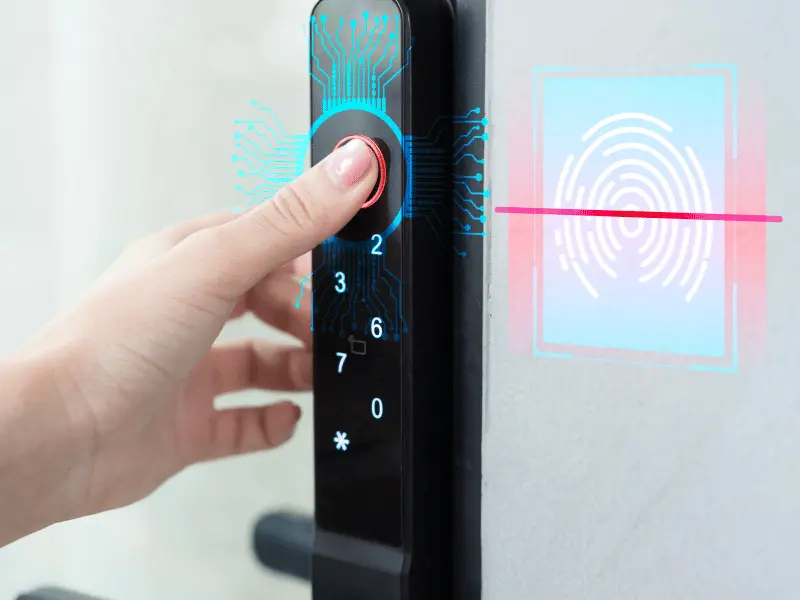
Security is one of the strongest reasons to consider home automation.
Modern villa security can combine:
- Smart door locks
- Video doorbells
- CCTV cameras
- Motion detection
- Gate control
- Door and window sensors
- Remote notifications
- Alarm integration
Smart access can also make everyday life easier. Depending on the system, homeowners may be able to use a smartphone, PIN, fingerprint or other approved access method instead of relying exclusively on physical keys.
Temporary access can be useful for authorised visitors, cleaners, maintenance teams or deliveries.
Is it worth installing?
Yes, when the system is professionally planned.
The objective should not be to install cameras everywhere. Instead, security should focus on important access points and vulnerable areas while respecting household privacy.
Remote monitoring can be particularly useful when homeowners travel because they can receive notifications and check selected areas without being physically present.
5. Smart Water Management: Particularly Useful for Villas
Water management deserves more attention than it usually receives in smart-home discussions.
Large villas may include kitchens, multiple bathrooms, gardens, irrigation systems and swimming pools. A small leak can therefore become expensive if it remains undetected.
Water sensors can identify unusual moisture or leaks in areas such as:
- Under kitchen sinks
- Near water heaters
- Bathrooms
- Laundry rooms
- Plant rooms
- Utility areas
Depending on the system, an automatic shut-off valve may also be integrated.
Smart irrigation can be useful outdoors, allowing watering schedules to be adjusted according to conditions rather than simply operating at fixed times.
Is it worth installing?
Yes for villas with extensive plumbing and landscaping.
Leak detection is a relatively simple feature that can provide significant protection against avoidable water damage.
6. Smart Energy Monitoring
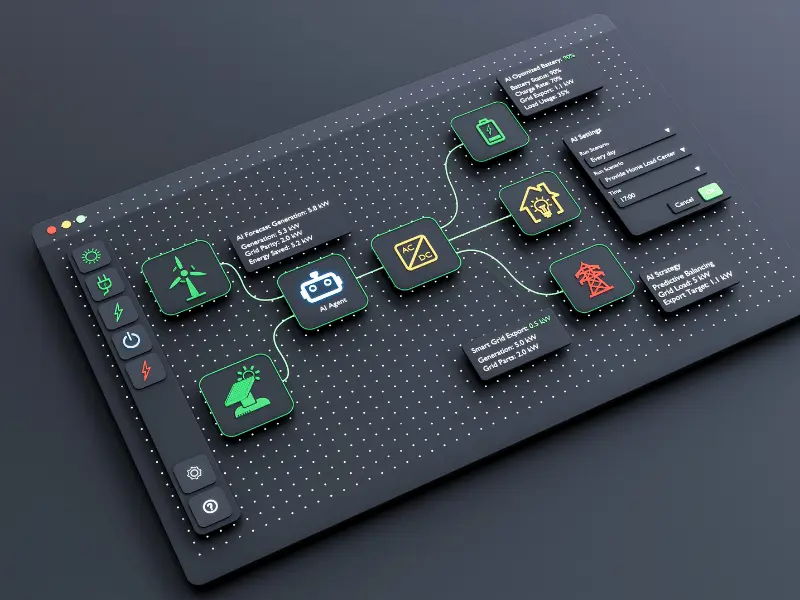
A smart home should not only control devices; it should help homeowners understand how the property is using energy.
Energy-monitoring systems can provide information about electricity consumption and help identify patterns. This can be particularly useful in larger villas where cooling, lighting, appliances and outdoor systems operate across different areas.
Instead of guessing why consumption has increased, homeowners can use monitoring data to understand where energy is being used.
Is it worth installing?
Worth considering for homeowners who want better visibility over consumption.
Energy monitoring is more useful when combined with smart climate control, efficient lighting and sensible automation. Installing a monitoring system alone will not automatically reduce consumption.
7. Smart Kitchen Appliances
Smart technology can also extend into the kitchen.
Depending on the homeowner’s lifestyle, connected appliances may include:
- Smart ovens
- Connected refrigerators
- Smart coffee machines
- Induction cooking systems
- Dishwashers with connected controls
However, this is an area where homeowners should avoid paying for technology simply because it is available.
Is it worth installing?
Lifestyle-dependent.
A smart appliance is worthwhile when its connected functions genuinely improve how the kitchen is used. Reliability, energy efficiency, service support and appliance quality should come before having the largest number of connected features.
This is why smart appliances should ideally be selected alongside the kitchen design rather than treated as separate technology purchases.
8. Smart Outdoor Living
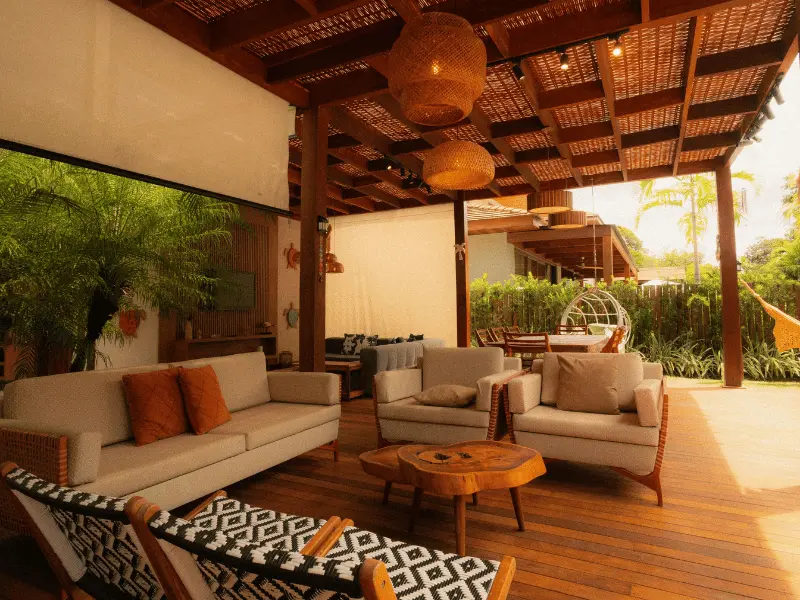
Dubai villa living often extends beyond the interior.
Gardens, terraces, balconies, outdoor kitchens and swimming-pool areas can all benefit from automation.
Possible features include:
- Automated garden irrigation
- Outdoor lighting schedules
- Pool controls
- Motorised shading
- Outdoor audio
- Gate automation
- Smart landscape lighting
For example, outdoor lighting can follow scheduled times while irrigation operates according to a planned watering cycle.
Is it worth installing?
Yes for villas with substantial outdoor areas.
The more extensive the landscape and outdoor facilities, the more useful automation becomes.
9. Whole-Villa Wi-Fi: The Feature People Often Forget
Every smart-home system depends on connectivity.
A villa can have excellent smart lighting, cameras and automated curtains, but if the Wi-Fi network has dead zones, the overall experience can become frustrating.
Large villas often need properly planned network coverage rather than relying on a single router.
A whole-home network should consider:
- Villa size
- Multiple floors
- Outdoor areas
- CCTV requirements
- Streaming
- Smart appliances
- Automation controllers
- Number of connected devices
Is it worth installing?
Absolutely.
Reliable connectivity is infrastructure for the rest of the smart home. It should be planned early, especially during construction or renovation when network cabling can be concealed.
10. One Centralised Smart-Home Platform

One of the biggest mistakes homeowners can make is installing several disconnected systems that each require a separate application.
A better approach is to consider how different systems will communicate.
For example:
Leaving Home
Lights off → AC adjusts → selected doors lock → security system activates.
Movie Night
Curtains close → lights dim → entertainment system starts.
Good Morning
Selected curtains open → bedroom lighting adjusts → climate settings change.
These scenes are where smart-home technology becomes genuinely useful.
Is it worth installing?
Yes, but integration matters more than the number of devices.
Before purchasing equipment, homeowners should confirm that the selected systems are compatible and that the central control platform can support future additions.
What Smart Home Features Are Not Always Worth the Cost?
Not every smart product deserves a place in a luxury villa.
Some features may sound impressive but provide limited everyday value depending on the homeowner’s lifestyle.
For example:
- Connected gadgets that duplicate functions already available elsewhere
- Overly complicated automation that requires constant troubleshooting
- Smart products with poor local service support
- Devices that depend on unreliable connectivity
- Technology installed without considering future maintenance
- Features added purely for novelty
The goal should be useful automation, not maximum automation.
A simple lighting scene that works every evening can be more valuable than a complicated system with dozens of rarely used functions.
Smart Home Planning During Villa Renovation
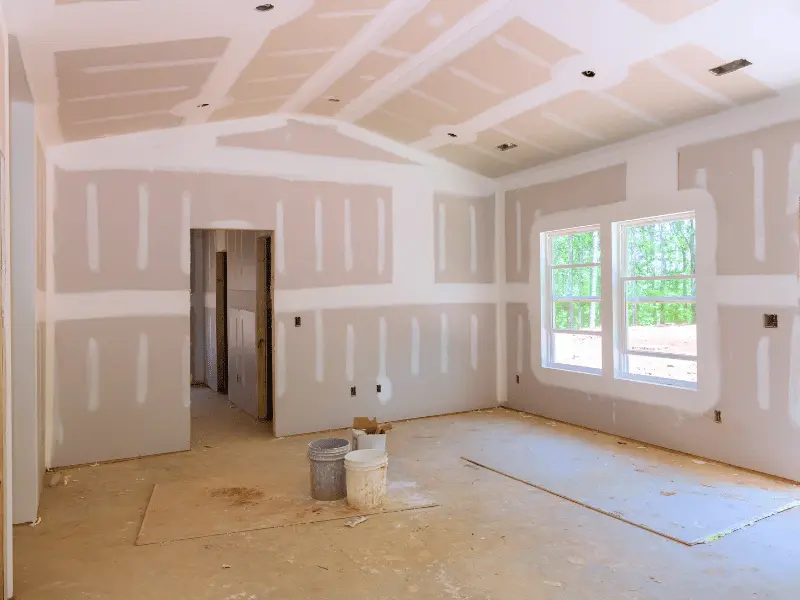
The best time to plan smart-home infrastructure is before the interior fit-out begins.
Smart technology affects more than the devices themselves. It can influence:
- Electrical layouts
- Lighting circuits
- Ceiling design
- Switch locations
- Curtain pockets
- Joinery
- Network cabling
- Security-camera positions
- Appliance selection
- Control panels
- HVAC zoning
Planning these elements early helps avoid visible cables, misplaced switches and expensive modifications later.
For a villa renovation, the design, electrical, MEP, joinery and automation requirements should therefore be coordinated rather than treated as separate projects.
New Villa vs Existing Villa: What Should You Install?
A new villa provides more flexibility because wiring, electrical systems, HVAC controls and network infrastructure can be planned from the beginning.
An existing villa can still be upgraded, but the approach may be different. Wireless devices, retrofit controls and selective automation can reduce the need for extensive modifications.
A practical strategy is to start with the systems that deliver the greatest everyday value:
- Climate control
- Lighting
- Security and access
- Network infrastructure
- Motorised shading
- Water protection
- Energy monitoring
- Entertainment and additional automation
The exact priorities will depend on the property and how the household uses it.
How to Choose the Right Smart Home System in Dubai
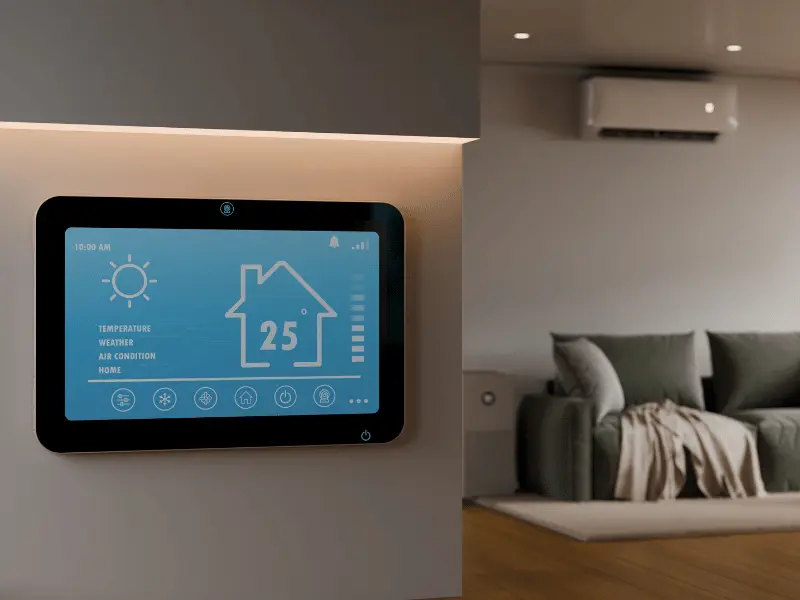
Before committing to a smart-home setup, ask five questions:
1. Does it solve a real problem?
If the answer is no, it may not justify the cost.
2. Can the system integrate with other systems?
Avoid creating a collection of disconnected products.
3. Is it easy for the whole household to use?
Automation should simplify life, not make basic tasks more complicated.
4. What happens if the internet goes down?
Important functions should have appropriate local controls or fallback options.
5. Can it be maintained locally?
Availability of technical support, replacement parts and servicing matters over the long term.
Final Thoughts
The best smart home ideas for Dubai villas are not necessarily the most expensive or technologically advanced. They are the systems that quietly improve the way a home operates every day.
Smart climate control can make large villas easier to manage. Intelligent lighting can improve both ambiance and convenience. Security automation can provide better control over access and monitoring. Water sensors can help identify problems early, while motorised curtains, smart irrigation and centralised controls can make everyday routines smoother.
For homeowners planning a new villa or renovation, the biggest opportunity is to integrate technology during the design and fit-out stage. Electrical, lighting, HVAC, joinery, curtains, appliances, networking and automation can then be planned as one coordinated system.
At Pinnacle Studio, we look at smart living as part of the wider residential experience—where technology, interiors, functionality and design work together rather than competing for attention. The objective is simple: create a villa that feels comfortable and effortless to live in today while remaining adaptable to future needs.
Planning a villa renovation or smart-home upgrade in Dubai? Talk to Pinnacle Studio about integrating smart technology with your interior and housing requirements from the planning stage.
Related posts:
 Are mirrored wardrobes a good idea? (Pros and Cons)
 Optimize Your Space with Sloped Ceiling Wardrobe
 The Right Way to Fix Up a Home for Sale
 The Science of Soundproofing: Best Materials for a Quiet Home
 What’s the Best Layout for a Studio Apartment? Expert Tips Inside
 Outdoor Furniture for Small Balconies: Big Style in Compact Spaces
 Wall Cladding vs. Paint: Which Is Right for Your Home?
 How to Choose the Perfect Colors for Your Living Room | Room Color Guide
 A Complete Guide to Choosing the Best Kitchen Sink Material for Your Home
 How to Create a Luxury Home Interior Without Overspending
 Where to Buy Budget Interiors in the UAE That Don’t Look Cheap
 Working From Home in Dubai? 10 Interior Design Solutions for Noise & Privacy
0 Comments