Designing a home in the UAE is not just about aesthetics anymore — it’s about performance, sustainability, and long-term savings. With rising electricity costs and extreme climate conditions, energy efficient home design Dubai has become essential rather than optional.
From reducing DEWA bills to improving indoor comfort, adopting smart design strategies can significantly impact your lifestyle and property value. Whether you are building a villa, renovating, or planning a fit-out, integrating energy efficiency into your home design will future-proof your investment.
In this guide, we’ll break down the most effective strategies used in top-performing homes across Dubai — combining architectural design, materials, technology, and sustainability principles.
Why Energy Efficient Home Design Dubai Matters More Than Ever
Dubai’s climate is one of the most energy-demanding in the world. With high temperatures for most of the year, cooling systems consume a major portion of household electricity.
Here’s why energy efficient home design Dubai is crucial:
- Lower DEWA bills through reduced cooling and lighting usage
- Improved indoor comfort despite extreme outdoor temperatures
- Higher property value in a sustainability-driven market
- Alignment with UAE green building initiatives
- Reduced carbon footprint and environmental impact
In fact, homes designed with energy efficiency in mind can reduce energy consumption by up to 30–50% compared to traditional designs.
Smart Orientation: The Foundation of Energy Efficient Home Design Dubai
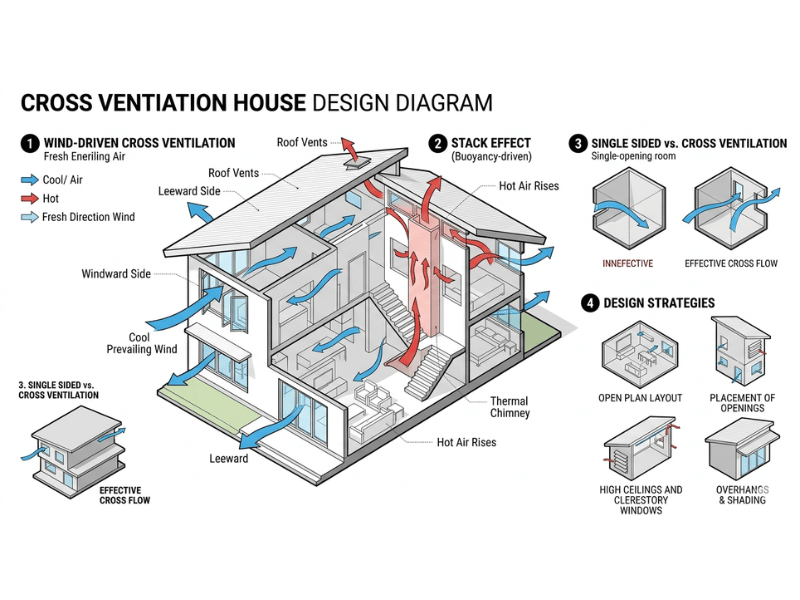
One of the most overlooked aspects of energy efficient home design Dubai is the orientation of the building.
Why Orientation Matters
The direction your home faces determines:
- Sun exposure
- Heat gain
- Natural lighting
- Cooling requirements
Best Practices in Dubai
- Minimize west-facing glass to reduce harsh afternoon heat
- Maximize north and south-facing openings for balanced daylight
- Use shading elements like pergolas and overhangs
A well-oriented home can significantly reduce reliance on air conditioning — which is the biggest energy consumer in UAE homes.
Choosing the Right Materials for Energy Efficient Home Design Dubai
Materials directly affect how your home absorbs and retains heat.
Key Material Strategies
- Use high thermal insulation materials (AAC blocks, insulated concrete)
- Opt for light-colored exterior finishes to reflect sunlight
- Choose heat-resistant roofing systems
Roof Design Matters
Roofs receive the most solar exposure in Dubai. Consider:
- Reflective roof coatings
- Insulated roofing layers
- Green roofs (where possible)
Poor material selection leads to higher cooling loads — increasing your electricity costs long-term.
High-Performance Windows for Energy Efficient Home Design Dubai
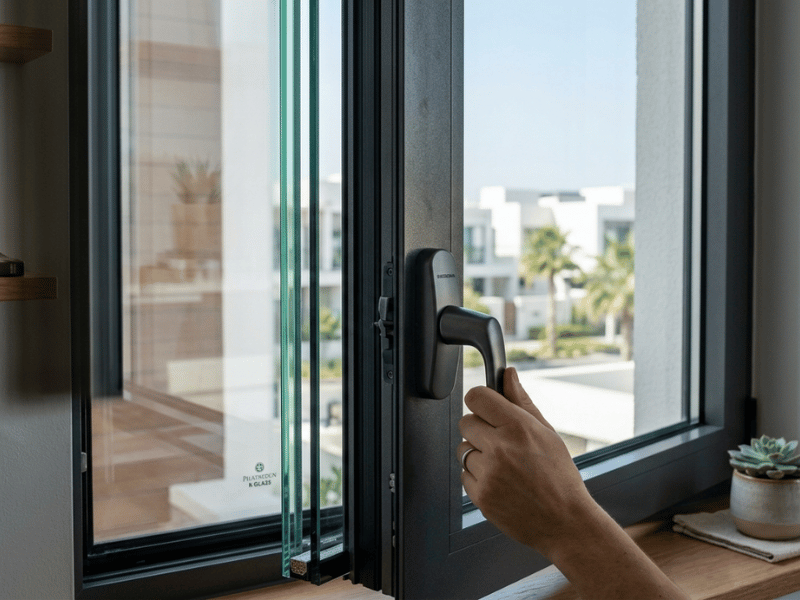
Windows are one of the biggest sources of heat gain in UAE homes.
Best Window Solutions
- Double or triple glazing
- Low-E (low emissivity) glass coatings
- Airtight window frames
These can reduce heat transfer by up to 50%.
Placement Strategy
- Avoid large glass areas facing west
- Use shading devices (louvers, curtains, blinds)
- Incorporate skylights strategically for daylight
Smart window planning improves both lighting and thermal comfort.
Insulation & Air Sealing in Energy Efficient Home Design Dubai
Many homes in Dubai still lack proper insulation — leading to energy waste.
Where Insulation Matters
- Walls
- Roof
- Floors
- Duct systems
Benefits
- Keeps cool air inside
- Reduces AC workload
- Eliminates hot spots
According to global studies, proper insulation can reduce cooling costs by up to 15–20%.
Air sealing is equally important — preventing leaks through doors, joints, and ducts.
Solar Power Integration in Energy Efficient Home Design Dubai
With abundant sunlight, solar energy is one of the most effective solutions for energy efficient home design Dubai.
Solar Applications
- Solar panels for electricity
- Solar water heating systems
- Battery storage solutions
Dubai Advantage
Dubai receives sunlight almost year-round, making solar highly efficient even in winter.
ROI Perspective
- Initial investment: Moderate to high
- Long-term savings: Significant
- Payback period: 4–7 years
Solar integration also increases property value and sustainability appeal.
Energy-Efficient Lighting Strategies
Lighting may seem minor, but it contributes significantly to overall energy consumption.
Smart Lighting Design
- Maximize natural daylight through open layouts
- Use LED lighting (80% more efficient than traditional bulbs)
- Install motion sensors and smart switches
Open Plan Advantage
Open-plan layouts allow light to flow across spaces — reducing the need for artificial lighting during the day.
Passive Cooling Techniques for Energy Efficient Home Design Dubai
Passive design reduces reliance on mechanical cooling — a key factor in energy efficient home design Dubai.
Effective Passive Strategies
- Cross ventilation through window placement
- Shading elements (trees, screens, pergolas)
- Courtyard designs
- Thermal mass materials
These techniques help maintain indoor temperatures naturally.
Smart Home Technology for Energy Efficiency
Smart technology is rapidly becoming standard in Dubai homes.
Key Smart Features
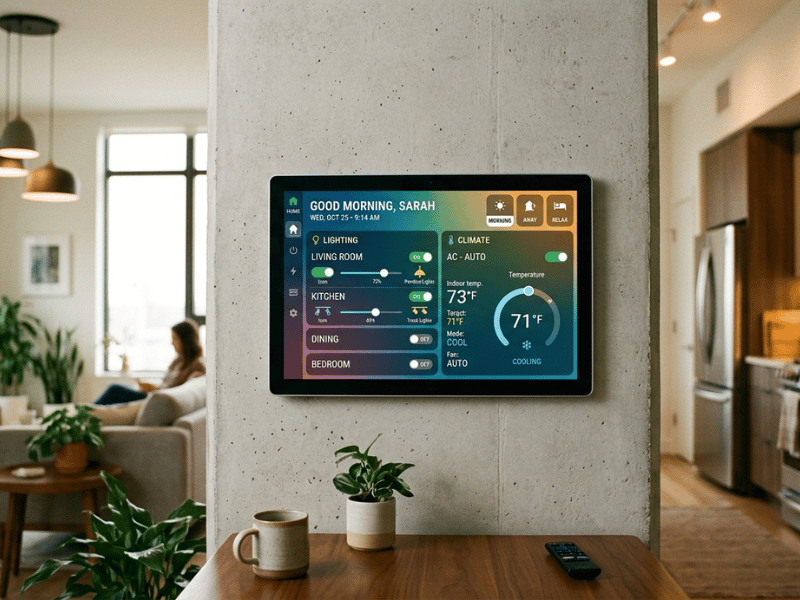
- Smart thermostats
- Automated lighting systems
- Energy monitoring apps
- Smart AC control
These systems optimize energy usage based on occupancy and behavior.
Water Efficiency & Sustainable Fixtures
Energy efficiency isn’t just about electricity — water usage also impacts energy consumption.
Smart Water Solutions
- Low-flow faucets and showerheads
- Efficient water heaters
- Solar water heating systems
Reducing water usage lowers both water and energy bills.
Dubai Green Building Regulations & Compliance
Dubai has introduced sustainability standards such as:
- Dubai Green Building Regulations
- Al Sa’fat (Green Building System)
These frameworks encourage energy-efficient construction practices.
Working with experienced contractors ensures compliance while optimizing performance.
Final Thoughts on Energy Efficient Home Design Dubai
Investing in energy efficient home design Dubai is no longer a luxury — it’s a necessity for modern living.
By combining smart architecture, high-performance materials, renewable energy, and advanced technology, you can create a home that is:
- Comfortable
- Cost-efficient
- Environmentally responsible
- Future-ready
Whether you are building a new villa or upgrading your current space, integrating these strategies will deliver long-term value and sustainability.
Related posts:
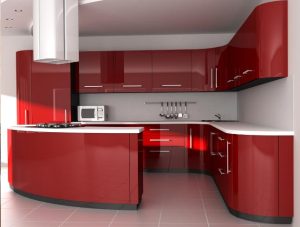 G-Shaped Kitchen Layout
 Choosing the Best Windows for Energy Efficiency
 Transform Your Kitchen with Smart Storage Solutions
 Interior Design Project Timeline: How Long Does an Interior Design Project Usually Take?
 Make Your a Studio Apartment Feel Like a 2-Bedroom | Smart Design Tricks
 How to Choose the Right Kitchen Backsplash for Your Home
 Improve Lighting in Dark Interiors: Smart, Practical Ways to Brighten Any Space
 Interior Fit-Out vs Renovation in UAE: Costs, Benefits & Tips
 Modern vs Classic Interior Design (2026 Guide) | Expert Interior Design Company Insights
 Why Dubai Apartments Get Mould Even With AC On — Interior Design Reasons & Fixes
 Best Flooring Options for Dubai Fit-Outs: SPC vs Porcelain vs Vinyl (2026 Guide)
 Modern vs Classic Interior Design: Which Is Right for You in Dubai
0 Comments